Have you ever arrived in someplace new and felt like you have been there before? I think we carry memories of our ancestors in our genes. Given what people are learning about how environment and behavior affect how genes are expressed, and given that expression of genes might affect how people pass them on to their offspring, I think it’s no longer a big stretch to say that we carry bits of the environment of our ancestors in our DNA. I felt it in Scotland. In Ireland. And in Germany. And I definitely felt it in the Netherlands.
Based on my 23andMe results, about 50% of my DNA originated in people who came from northern western mainland Europe, in the region that is now western Germany and The Netherlands. (The other 50% is a mix of ancestry from Sweden, Scotland, Ireland, and Wales). This is not a surprise. My maternal grandfather was born in and spent the first 10 years of his life in the region that now forms the western border of Germany and the northeastern corner of Holland. My maternal grandmother’s family also originated in northwestern Germany before they became farmers in ‘South Russia’, what is now the Ukraine.
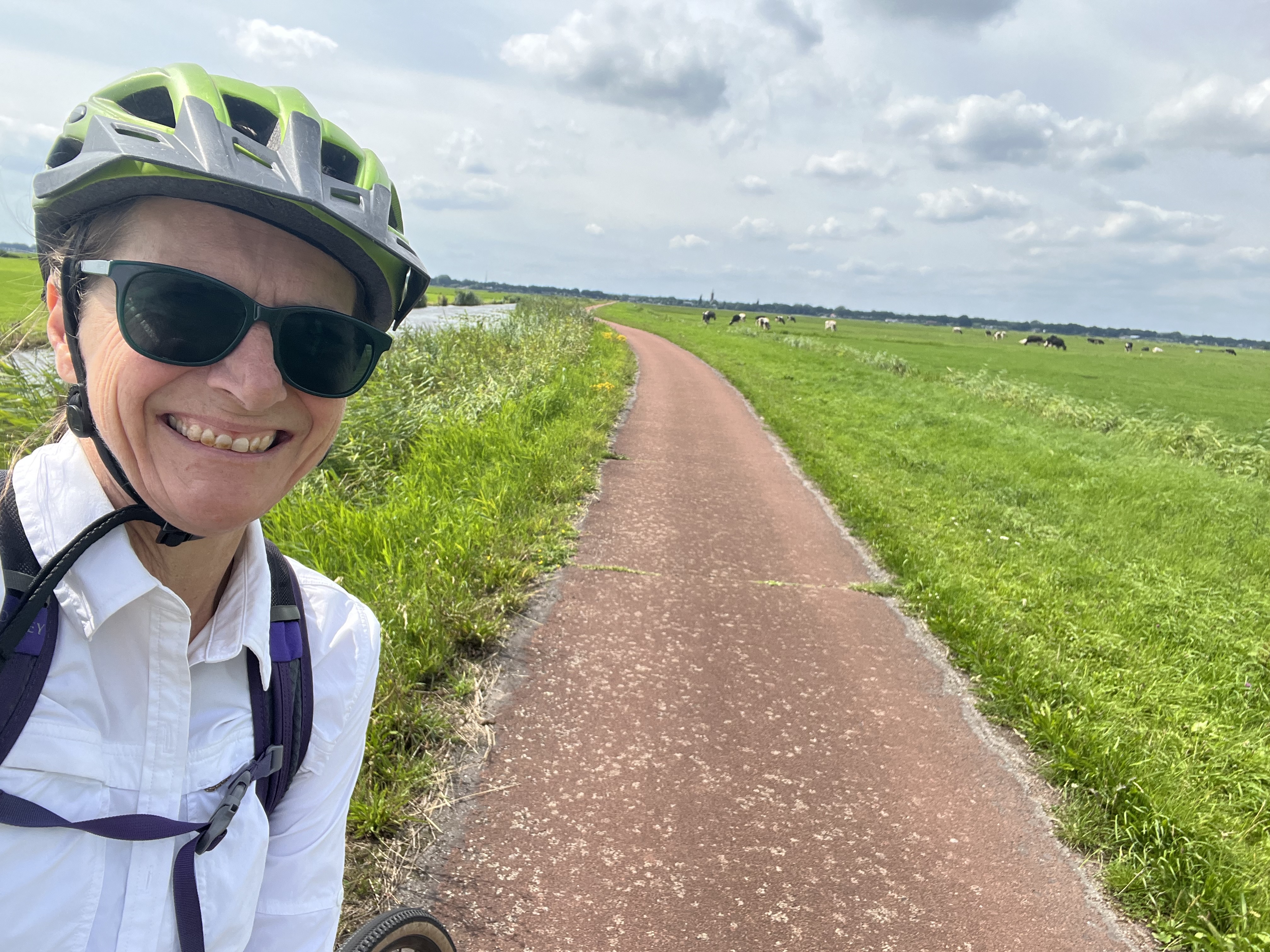
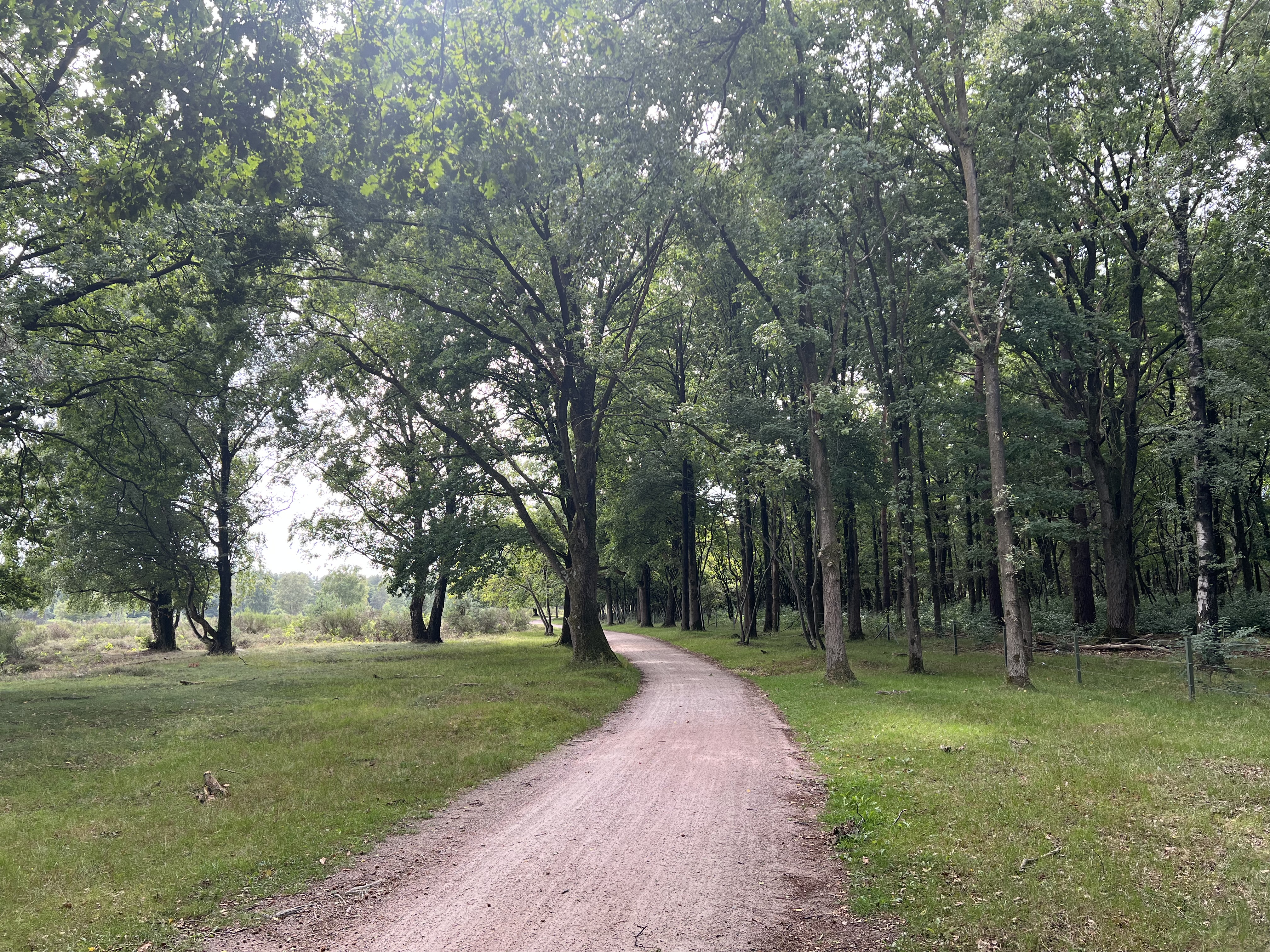
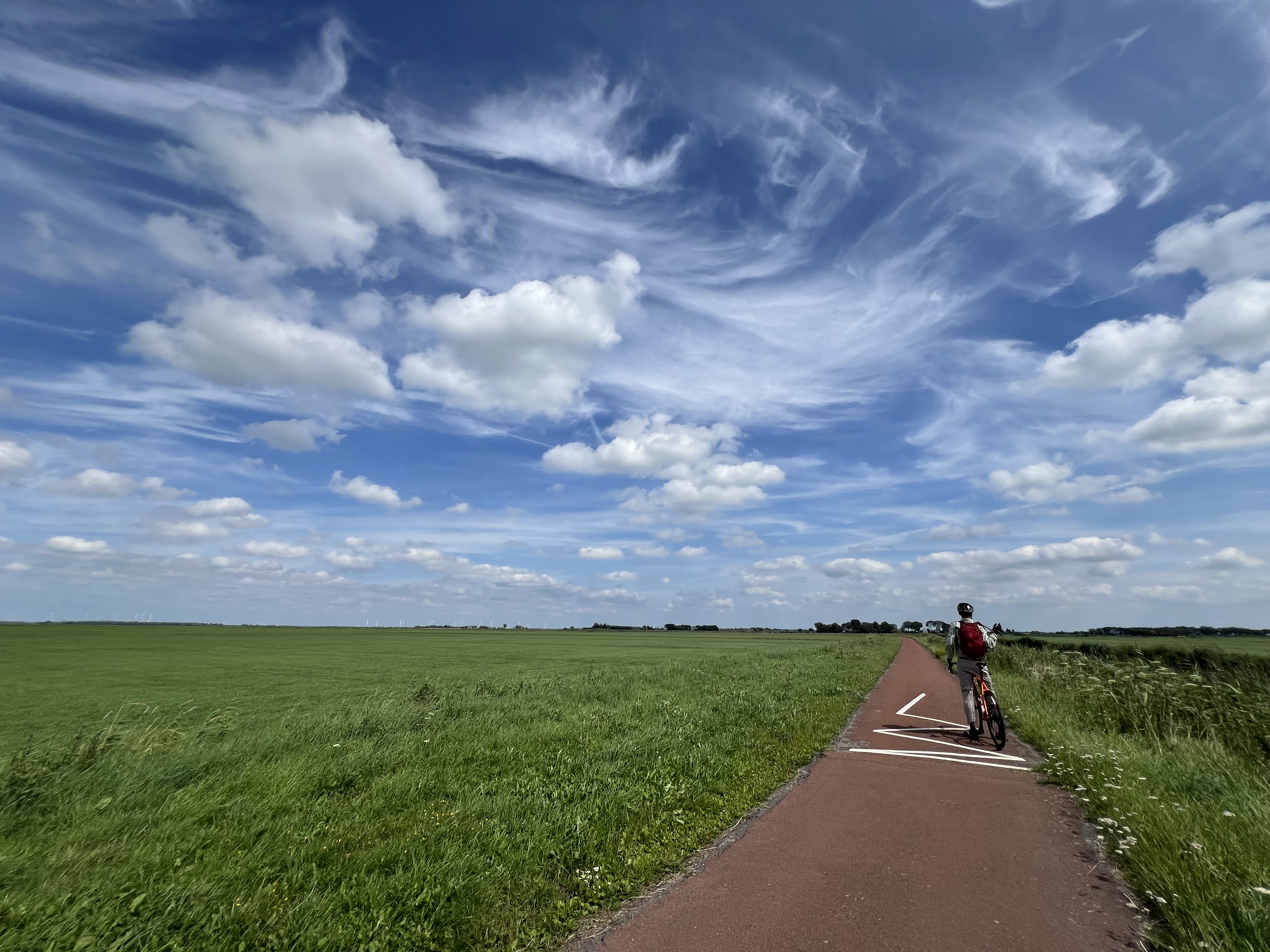
So it felt a bit like coming home last summer when I had the opportunity to cycle in the Netherlands, through fairy-tale forests, across sandy heaths, and along dikes bordering wide, flat tracts of grazing land, with cows and windmills off in the distance.
I admit that the Netherlands had never been high on my travel bucket list. But my big brother, Scott, decided to spend the summer there, and I couldn’t pass up the opportunity to visit. Being someone’s little sister is a rather new thing for me (see my post from last year), and aren’t little sisters supposed to impose themselves on older siblings? I’m learning how to do that. I had added incentive to visit when I learned that my niece and her husband would also be flying across the pond – I’m learning how to be an auntie, too.
The Netherlands is a cyclist’s paradise, and cycling flat trails at low elevation is a treat. Bike trails go everywhere. It’s possible cycle from one village to the next and rarely find yourself near a car. When you do find yourself on the road, the drivers are ultra bike cautious (at least from my limited experience). I’m sure there are distracted drivers and accidents happen, but it’s nice when you don’t feel like they are about to happen every mile.
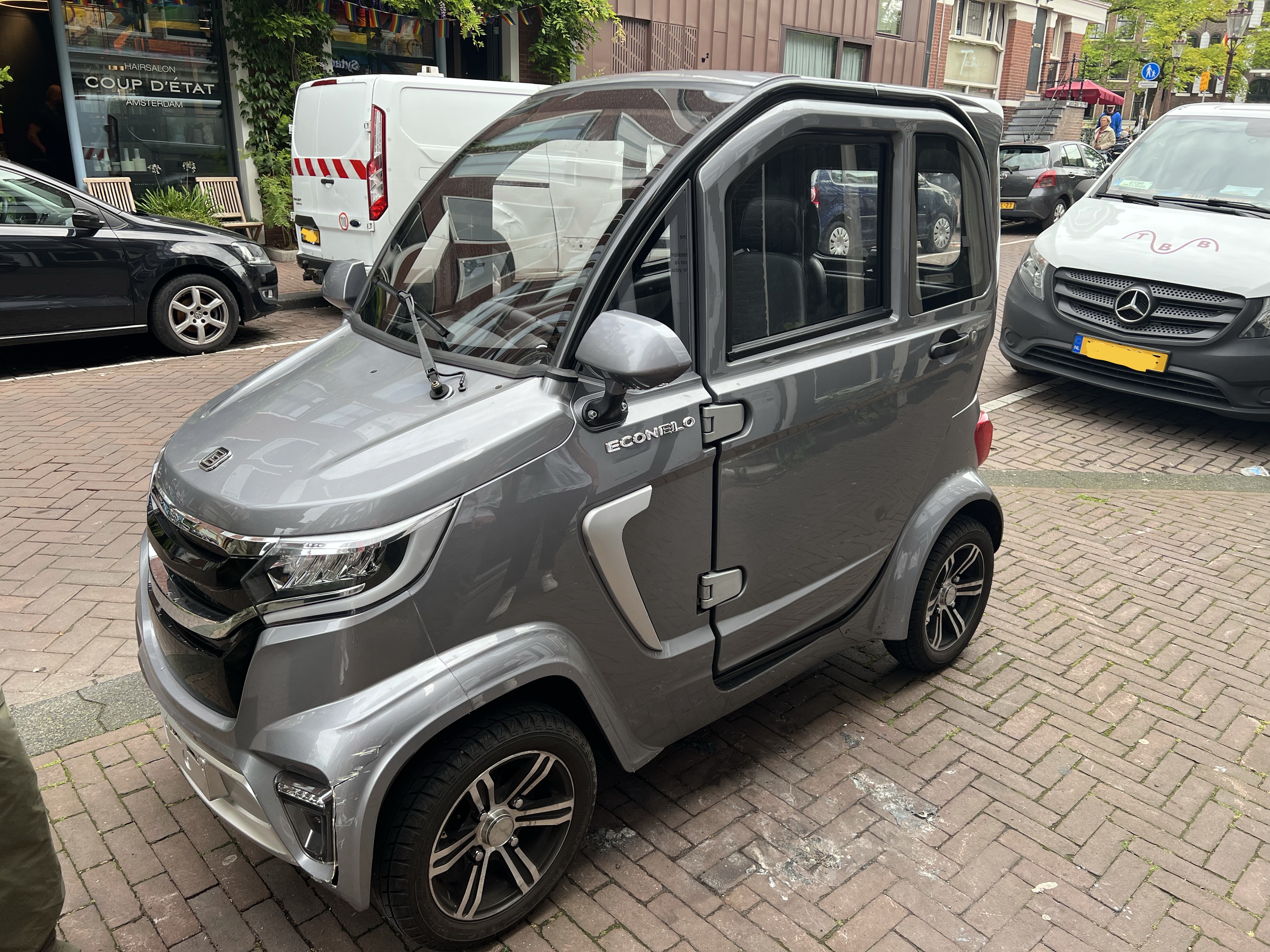
As an American, it’s a bit confounding to go somewhere on a bike and find that drivers are waving you along, giving you right-of-way rather than trying to run you over or send black clouds of soot into your face. (Maybe it’s because Americans, known around the world as generally friendly and open people, can be incredibly cruel to each other.) It also helps that there are no monster trucks or bus-sized SUVs on the road. I have entirely stopped riding on roads in the US because I don’t want to die that way. But in the Netherlands, I feel like I stand a chance of surviving an entanglement with a car so small it fits neatly on a sidewalk.
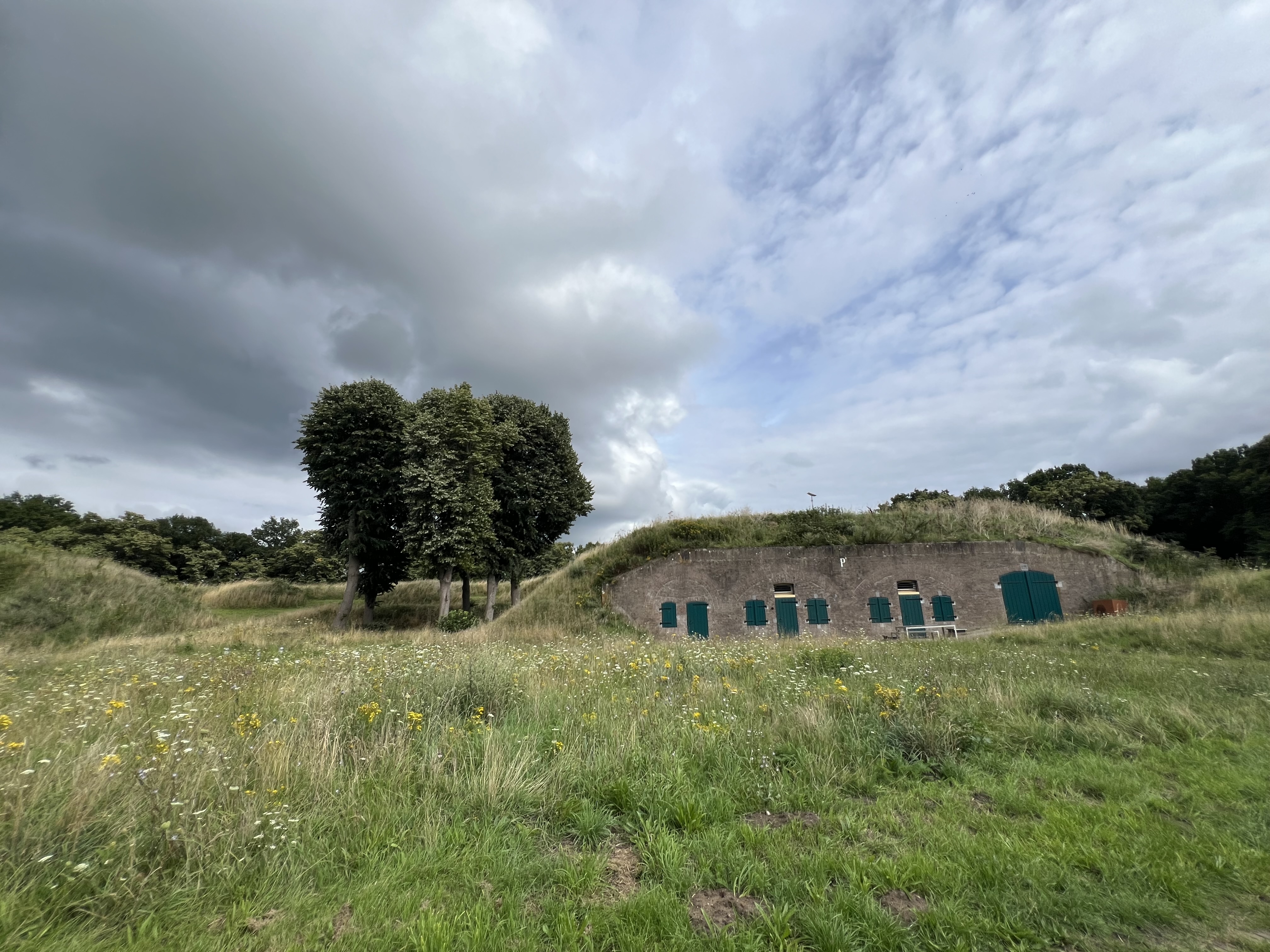
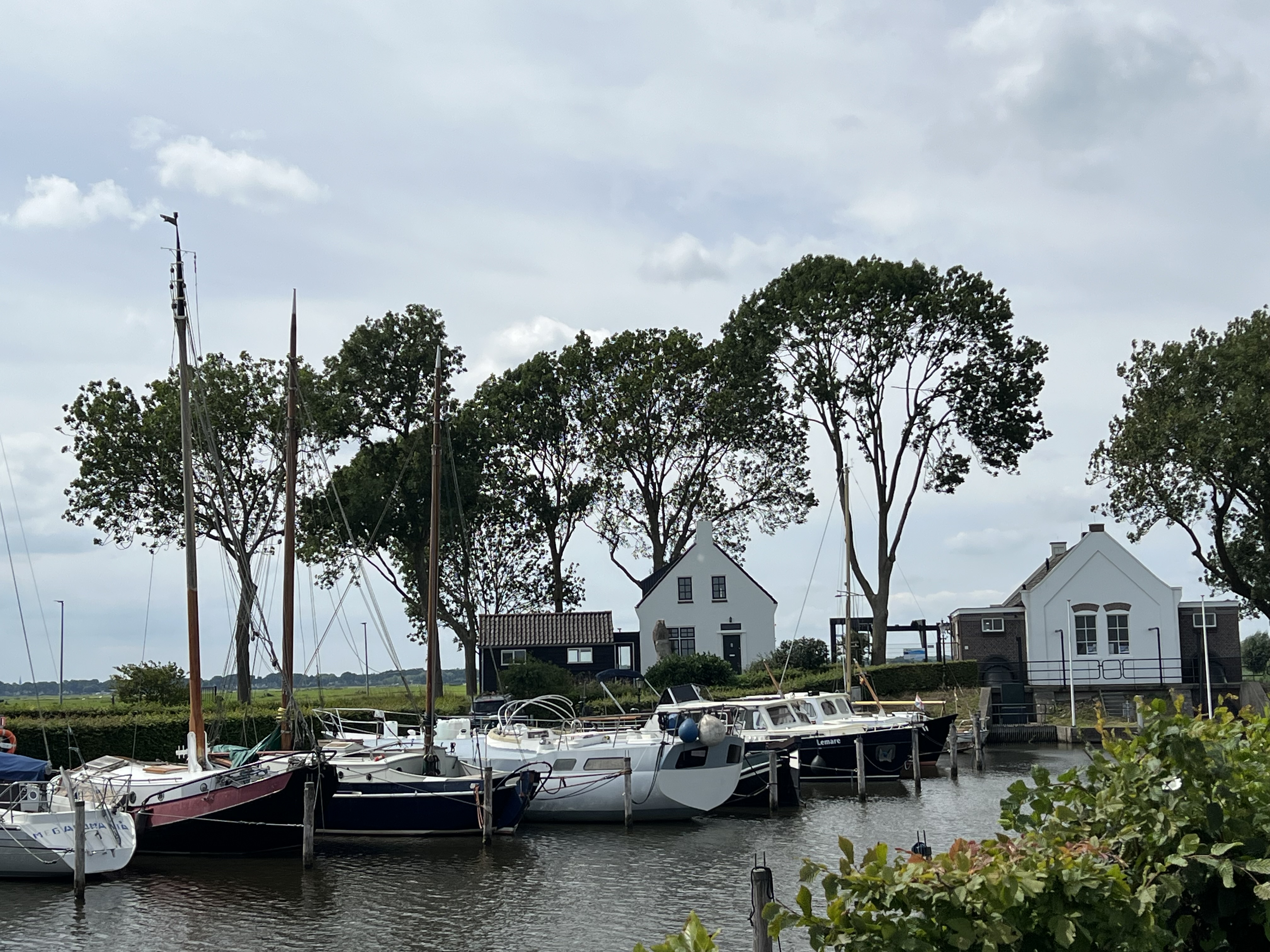
Every ride in the Netherlands offered surprises. It was a a surprise to come across a marina in the middle of a long ride through grassy farmland. A surprise to find cows on the bike path across the heath. A thrill to cycle across a moat to the star-shaped fortress town of Naarden.
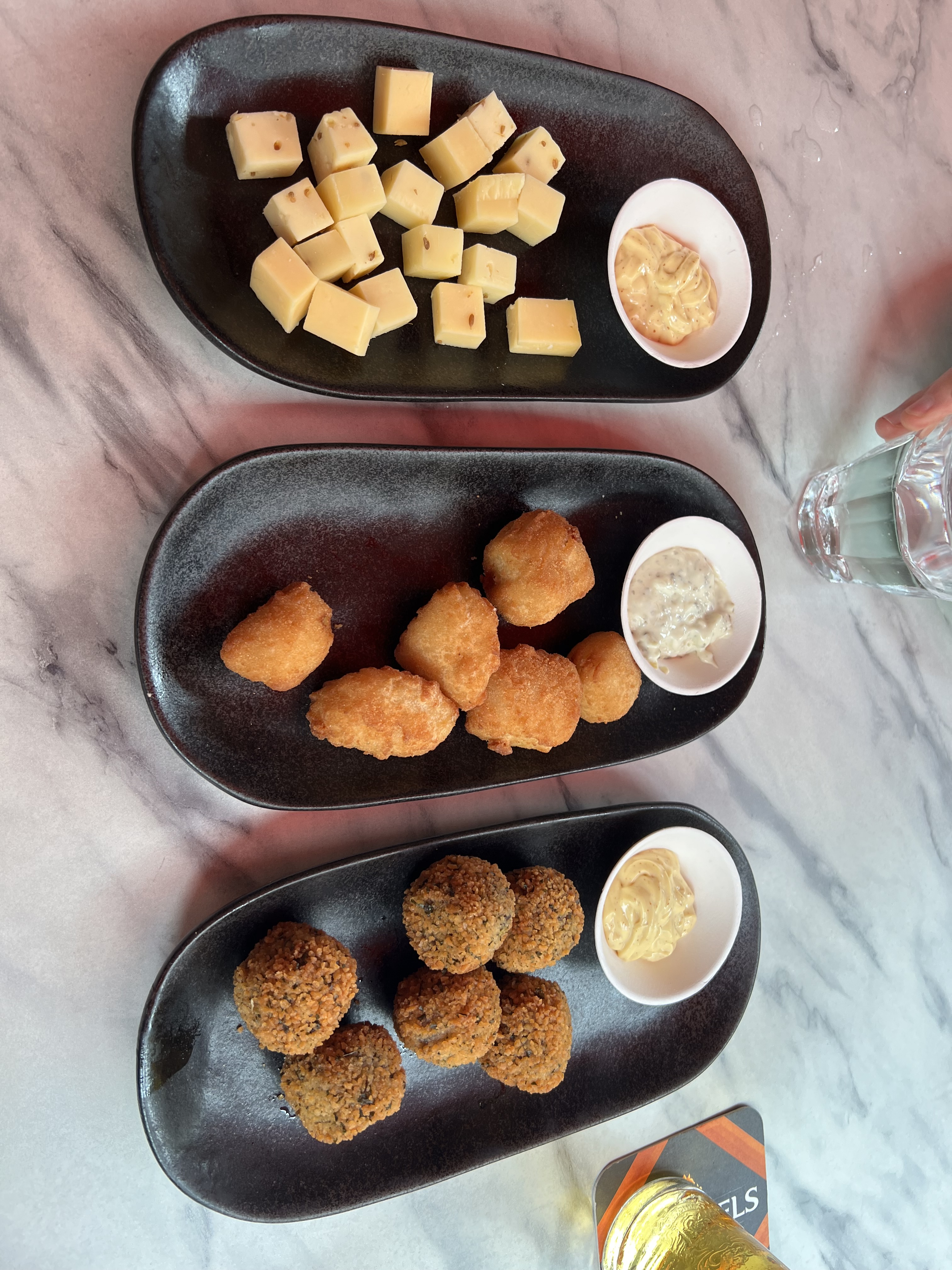
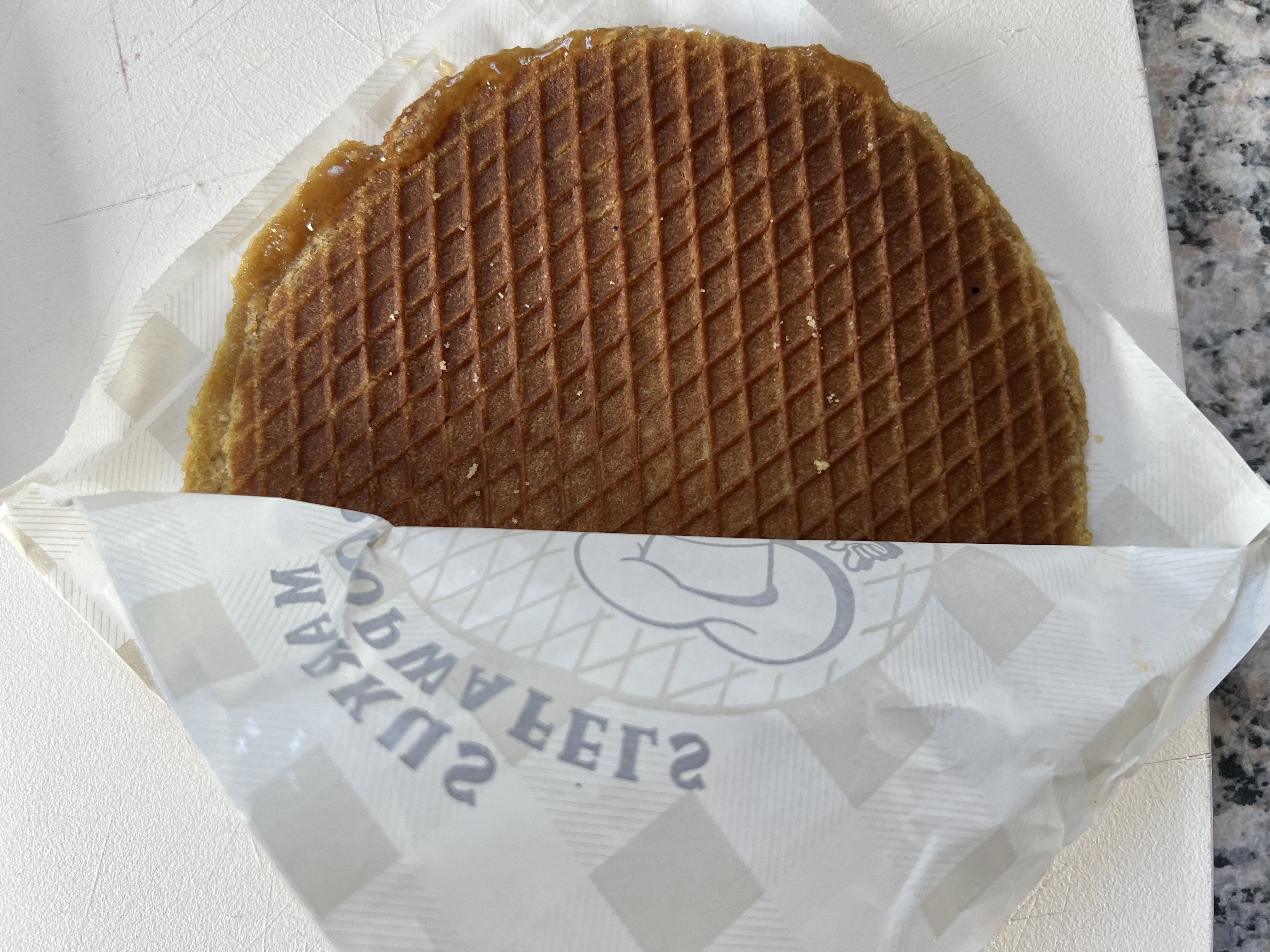
I loved the forest cafes that pop up in shady spaces between villages. On a couple of occasions we stopped for tea and apple cake – or common Dutch snacks, fries and bitterballen (imagine deep-fried balls of thick, meaty gravy).
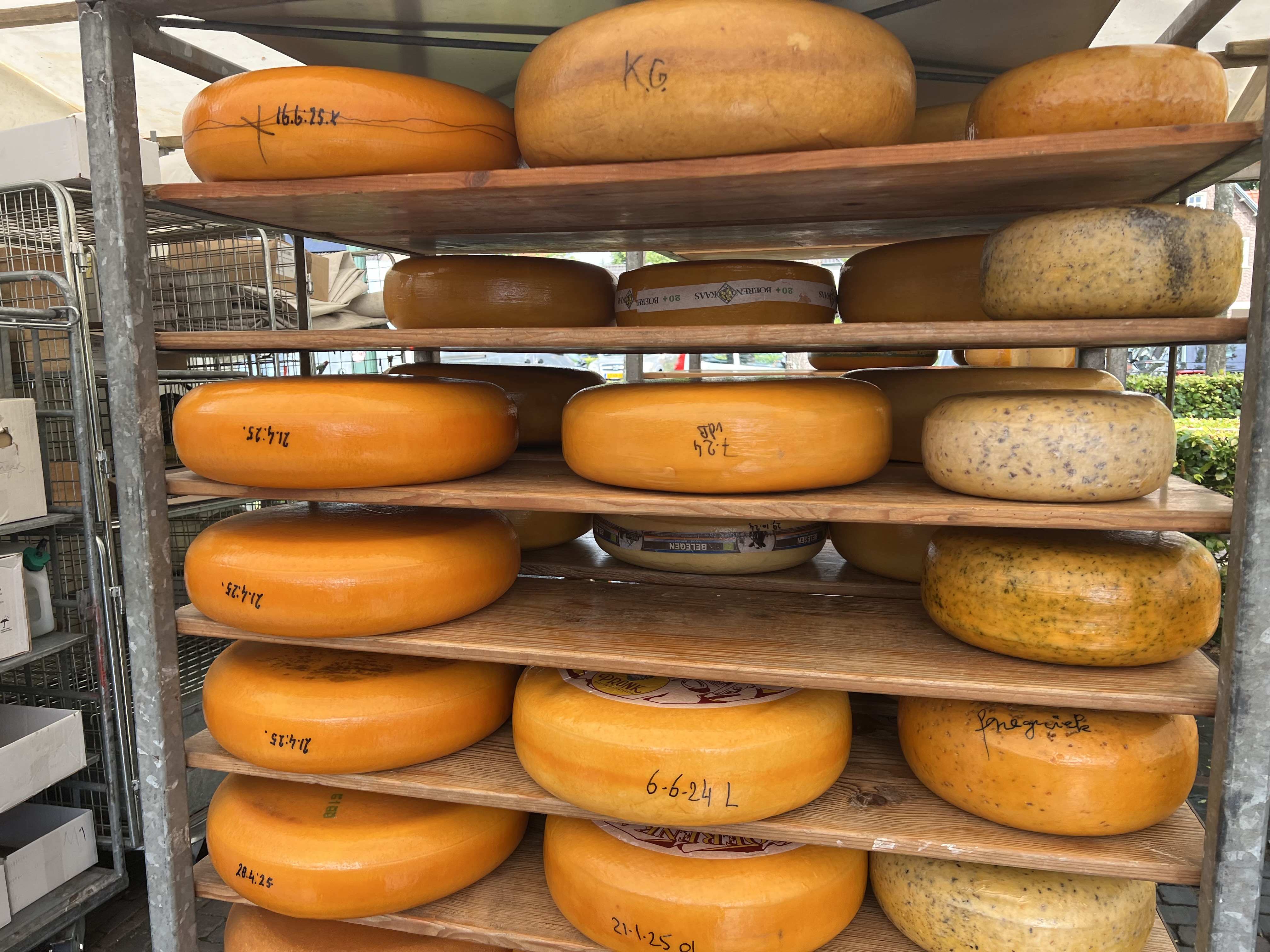
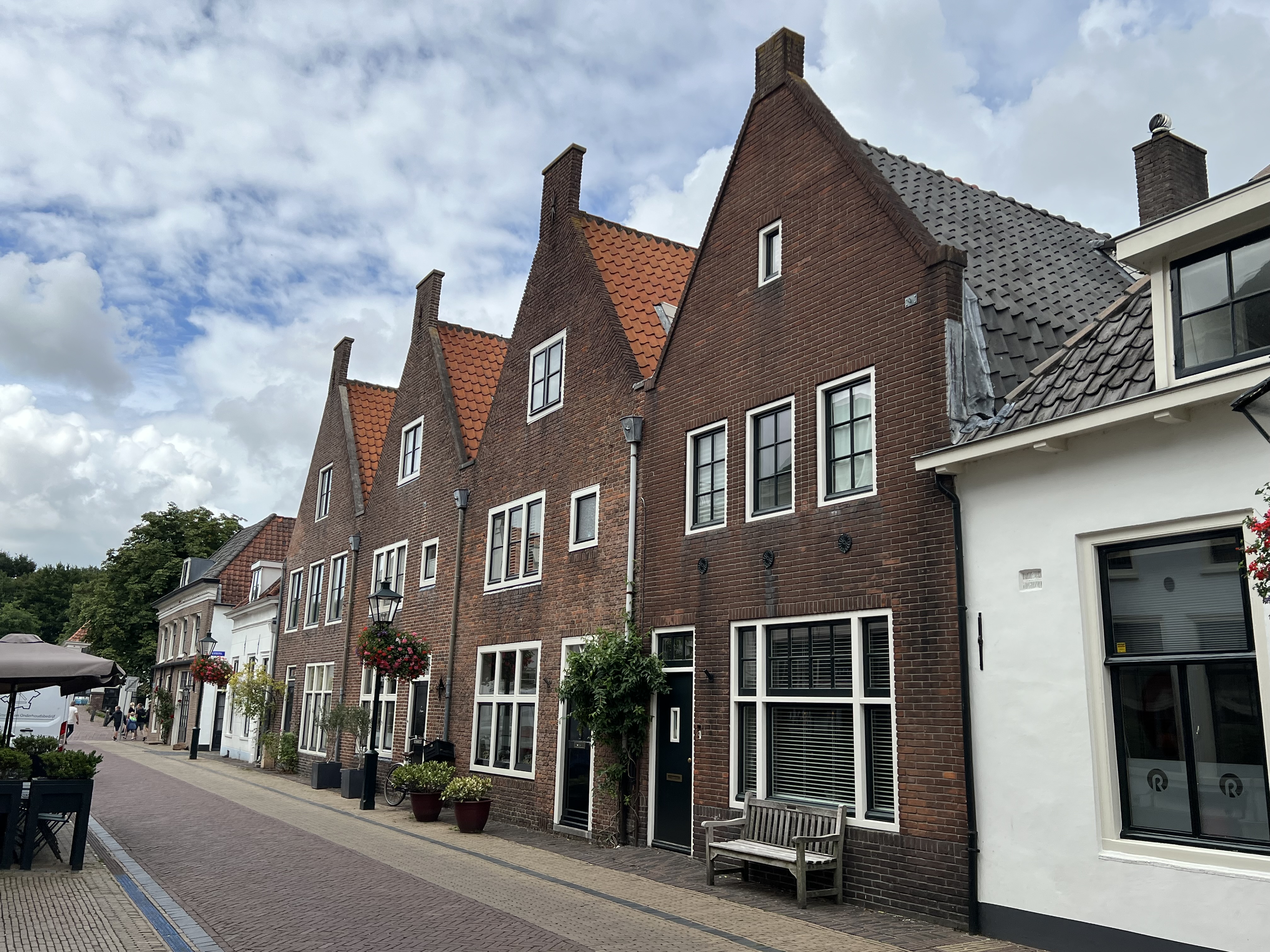
The Netherlands is the most densely populated country in Europe, but it’s hard to tell. My experience in a lot of places in Europe is that people tend to live closer to each other, clustered in villages, all serviced by buses or trains to avoid having lots of cars on the road. There is a focus on quality of life that is often missing in the US. That’s not to say everything is perfect. The world, as a whole, is caught in the swirl of consumer influences, stemming from Western colonialist expansion (in which the Dutch played a major role in the 16th and 17th centuries, I might add). Ultimately, consumerism taxes our environment, our democracies, and our social cohesion in ways that we could never have imagined 50 years ago. No place is immune.
But I appreciated being in a place where it seemed that connection, well-being, and environmental concern hold priority in the social consciousness, even if they are not yet embedded fully in the infrastructure. I appreciate that my ancestors left Europe for the ‘New World’ for a better life. They were fleeing religious strife, political conflicts (wars), and economic hardship. I wonder what they would think of Europe today.


Beautiful pictures.
LikeLike