This is a post about gardening. Sort of. I started writing this post years ago, but like many of my posts, it was abandoned as I pursued more pressing needs. But some of those half-completed posts are ready to get hosed off and sent out into the world – especially as we begin a new season of tending to growing things.
You might know an old lady who’s crazy about her garden. She’s that lady with the wide-brimmed straw hat and strands of frizzy gray hair hanging out in all directions. She wears floppy, long-sleeved shirts, cushy, mud-covered crocs, and always has dirt beneath her fingernails. She’s out there every day when the weather’s nice enough, tending to her garden, chatting with passersby as she digs up another bed or pulls out another patch of weeds.
So, I think that might be me, in the not-so-distant future. I’m on an evolutionary path toward becoming that old lady. Although, after living through a global pandemic, and developing an obsessive hand-washing routine, the dirt doesn’t really stand a chance of getting under the fingernails.
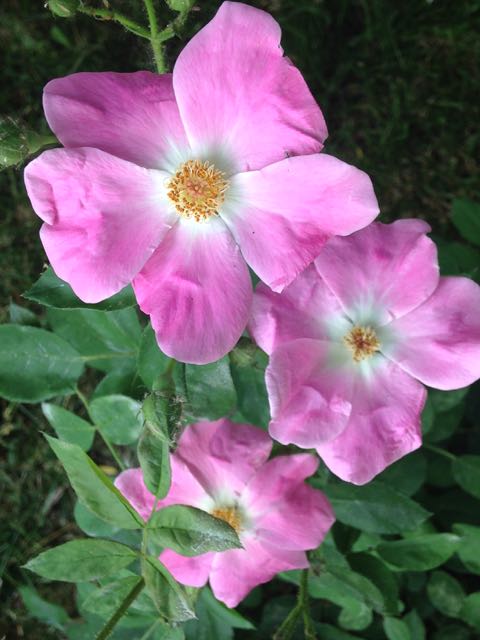
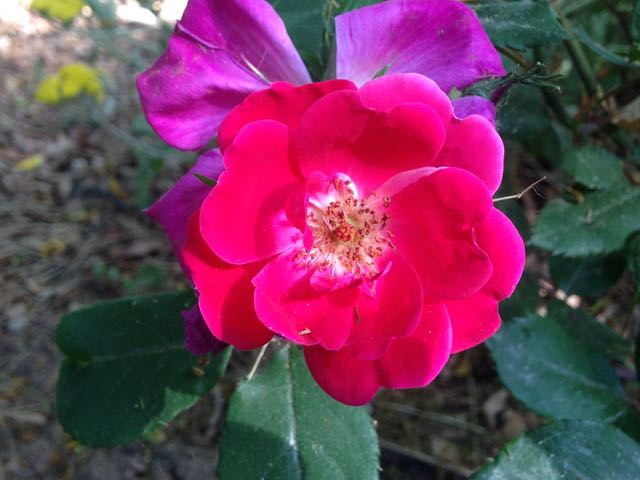
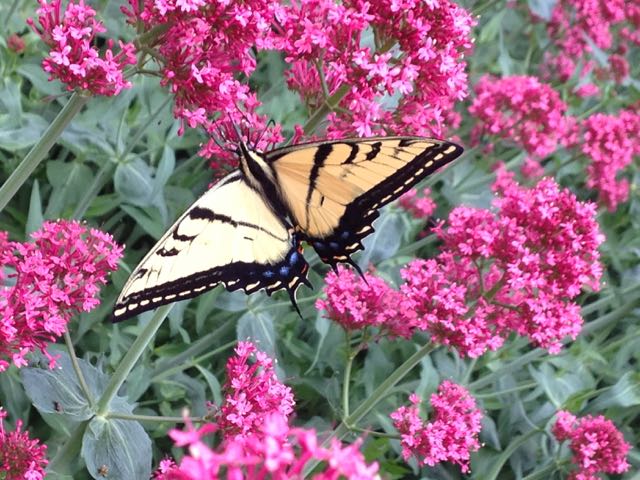
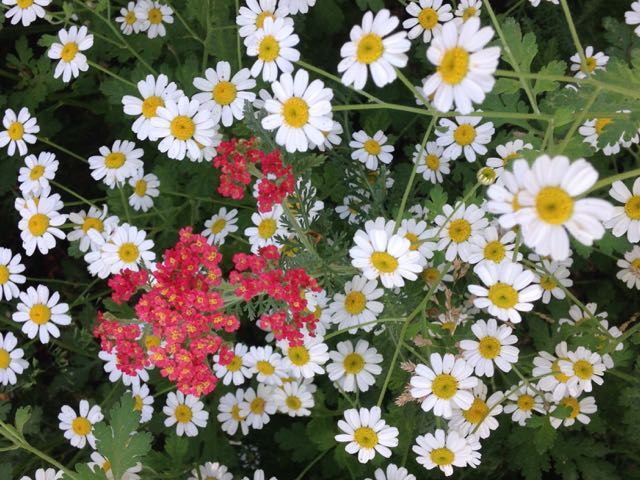
For awhile, I lived in a house in Fort Collins where I was lucky to have xeriscape garden already in place. In general, it flourished even in dry years. If there was a wet spring and late snow, flowers would grow to be chest-high. Red valerian are some of the most eye-catching for passing pedestrians and swallowtails. When the snow daisies popped out, they would cluster in drifts across the front yard, dotted by tiny rosebushes.
Every year, even now, I’m amazed by what I find in the yard. I always wonder: Was it like this last year? Despite the fact that I’m a scientist, I never kept very good records on my gardens before about 2017 or 2018, when taking photos on my phone became a lot easier. Many summers, I’m traveling at times of peak bloom, so I don’t get to see summer at its peak in Colorado. I’ve had a lot of great adventures on other continents, but sometimes it’s nice to kick back and let the adventure unfold in my own back yard.
My Fort Collins yard evolved bit by bit in the six years that I lived there. Some of the changes were the result of my somewhat ‘minimalist’ landscape practices. Others stem from the changes in seasonal climate we’ve seen over the past 15 years, alternating from drought to flood to something in between.
Years ago, when I owned my first home, I would squirt a little Round-Up on very persistent weed every now and then. With herbicides (Roundup, 2,4-D) strongly linked to non-Hodgkins lymphoma (which killed my mom) and linked in a more complex way to rising rates of autism, I can’t ever bring myself to buy or use these things again. In fact, I hold my breath when I have to walk past the herbicide aisle at Home Depot. Or when I walk past a perfect green lawn laden with the sour, spicy smell of chemicals. I’m trying to look at weeds a bit differently these days. I’ll still pull up flowering bindweed that pops up in the lawn. I might even try to douse it with vinegar. But that’s the most I will do.
A weed is no more than a flower in disguise. James Russell Lowell
With the passing years, my gardens have become dotted more and more with dandelions and thistle. I used to keep these at bay with regular rounds of pulling. But I’ve come to appreciate them – especially the dandelions, which are usually the first blooms to feed the bees in the spring. I never don’t use much water in the yard, so a long dry spell will wilt the less tolerant flora. Whatever ‘lawn’ is left will turn a light shade of brown after a week with no rain.
That yard in Fort Collins saw me through a lot of rough days – loss and change that’s run deeper than anything I’ve experienced in my life. But every spring, it came back to life, and gradually, I’ve found my inner landscape falling into rhythm with this outer landscape.
A few years before COVID hit, I left my Fort Collins yard behind and I settled into a new place much closer to work.
The yard where I live now? It’s different. There are towering pine trees that carpet the ground in thick beds of pine needles. There are patches of native grass that need some encouragement. There are some dwindling patches of Kentucky bluegrass. They require too much water and have been taken over by thistle, dandelion, and bindweed. Virginia creeper and trumpet vine exert their domain over a portion of the backyard, as well as a smaller flower box by the front door. Their vines snake their way over everything and crawl up under the siding of the house and also into my veggie garden. They’re not ugly, but they are persistent.
This yard always feels like a canvas waiting for my attention. It’s a canvas with scribbles of color that have faded with time. I’ve dipped my brush and have painted bits and pieces over the years that I have lived here. Whereas my previous yard only needed an occasional touch-up, this yard always feels like it is awaiting a whole new design. The Center for ReSource Conservation in northern Colorado has a ‘garden in a box’ program, and when I moved in, I purchased two boxes of perennials.
It was a game to see which would survive. Many did not. But there were a few winners. Prairie coneflowers have become super-spreaders. They are working their way, year by year, into other parts of the yard. Most years, purple salvias dominate the garden view in early spring. They are happy, it seems, in poor soil with little water. Cat mint always does well. I have some red valerian, but it’s not as happy as it was in my Fort Collins garden.
Adopt the pace of nature: her secret is patience. ~Ralph Waldo Emerson
I have not been able to get snow daisies to grow here. That made me sad. But I’ve come to love dandelions, and I miss them this year. It’s too dry for them to grow.
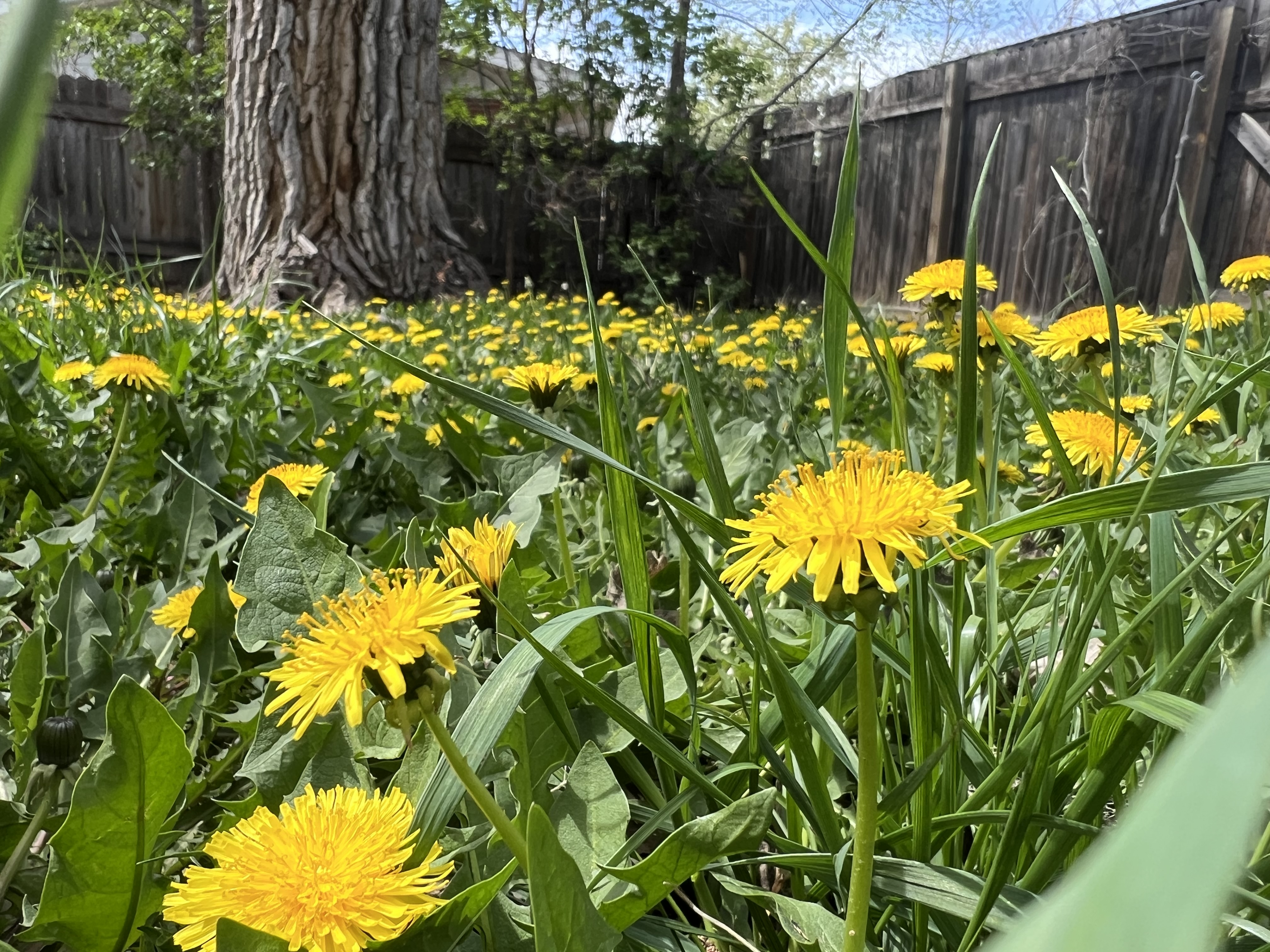
What I’ve learned as I begin my 22nd gardening season in Colorado is that our inner and outer landscapes feed back on each other. The work that we do in this world – whether that’s gardening, painting, writing, teaching, or cooking up dinner – is how we imprint our inner landscape on the outer world. I suppose I feel most at home in a place when my inner and outer landscapes can align with each other, when they both reflect each other.
My old Fort Collins house sheltered me through a lot of big life changes. My inner landscape took solace from the garden there. My current garden reflects the landscape that was in part shaped by the old yard, and in part shaped by the every-changing shape of my interests, needs and concerns. There is a long term evolution in slow, small steps, punctuated by vigorous growth spurts, and occasional loss. Not unlike the bigger picture of my life. I like this rhythm and pace. May the digging and puttering never cease.
Shall I not have intelligence with the earth? Am I not partly leaves and vegetable mould myself. ~Henry David Thoreau
One last thought: Because it’s so adorable, I have to leave you with this link to photos of harvest mice in tulips.

