Radio Silence

I guess you could say it’s writer’s block. There’s certainly no shortage of things to write about. But the words are stuck in my throat. I have a dozen half-completed posts drafted over the summer. Half-formed ruminations on everything from travel to climate resilience to fascism. But nothing feels like the right thing to say.

I realize there is no ‘right’ thing to say at this time. I can only tell my own story. But that’s a challenge when it feels like you’re drowning in everyone else’s voices. When the news and social media feel like a firehose of voices – most of them angry or scared. I’ve questioned whether to add my own voice to the stream. Especially when I’ve found myself wanting to disengage from the stream so that I can hear the thoughts in my own head.

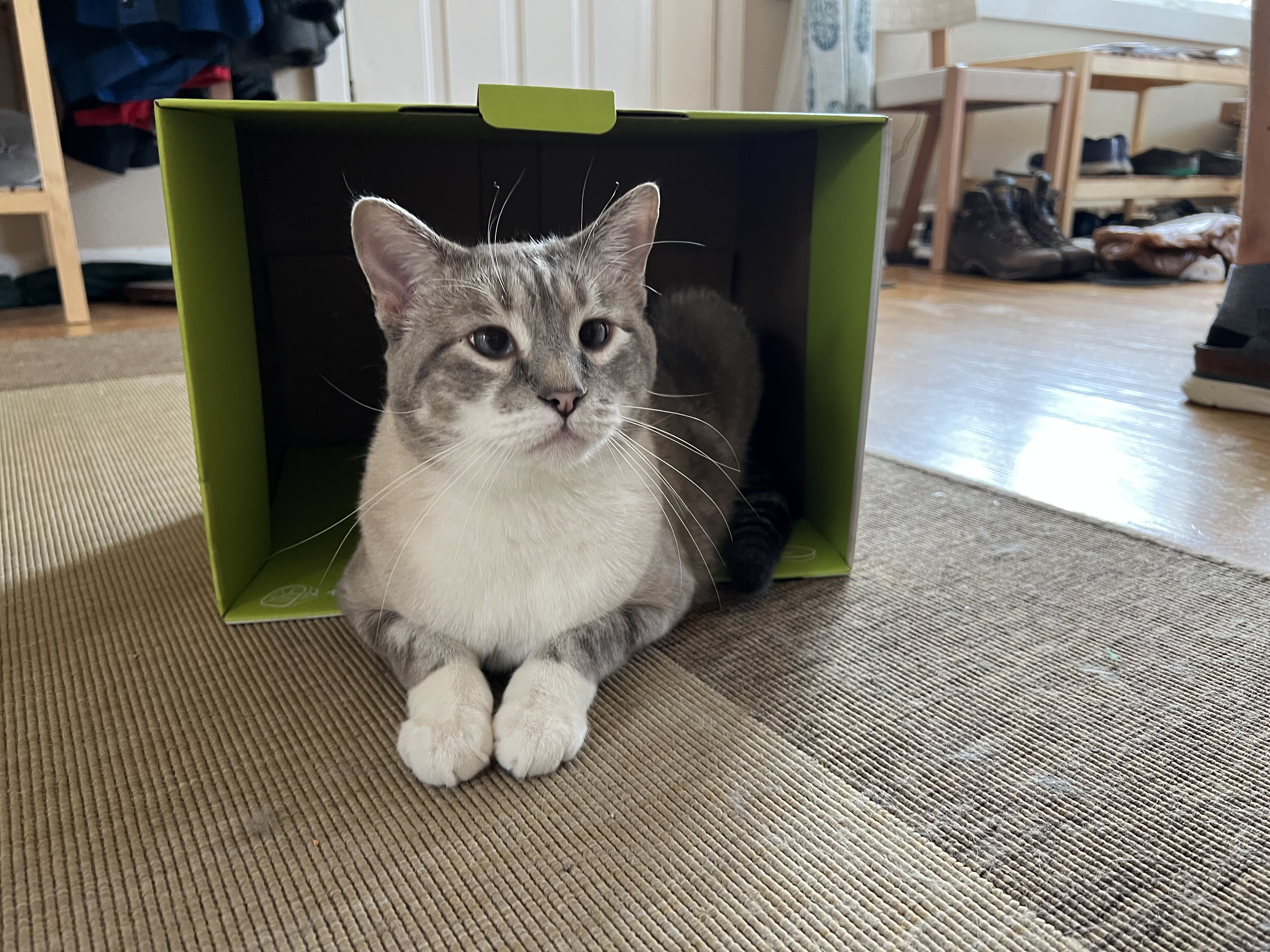
It’s good to hide in a box sometimes, to recover from the onslaught.
Continue reading

Resilience Amid Disruption

(As a reminder, from my Disclaimer page: this site is not an official site of the University of Northern Colorado. The views expressed here are entirely those of the author, and do not represent the views of the University of Northern Colorado, the Department of Earth and Atmospheric Science at UNC, nor any other program or individual at the university.)

Call to Action (if this is too long for you to read): Do one small thing to build resilience. And please share a good recipe for chocolate chip cookies that doesn’t require eggs.

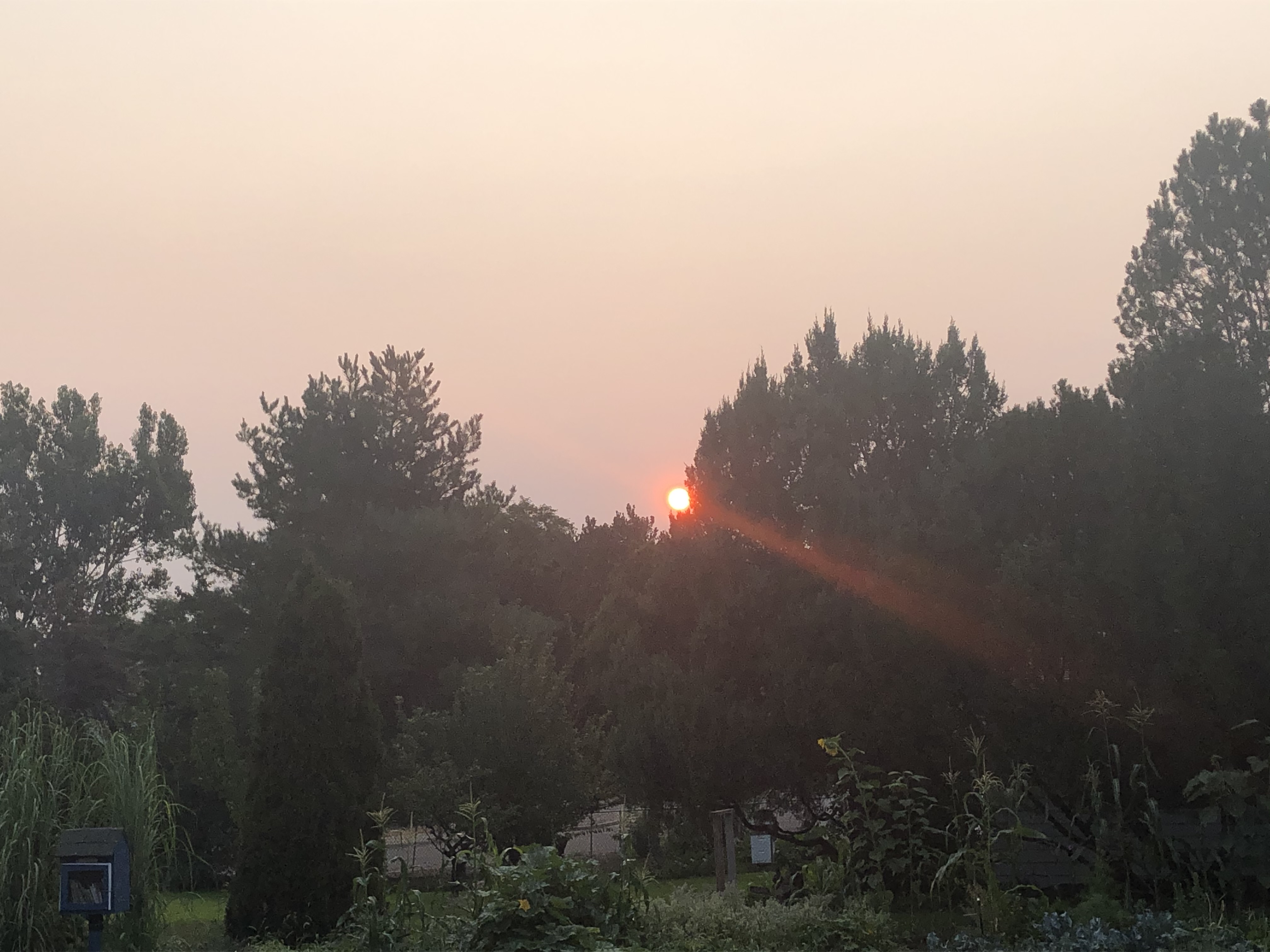
Do you ever feel your words drowning before they pass through your lips? Like the rain beginning to fall just before sunrise. There’s something there that needs to shine out, but it gets lost in shadows. That is where my voice has been these past several months, lost in the shadows.

The world has zapped my energy. Floods, fires, drought, heat wave. Along with other climate scientists, I have spent the last 25 years shouting ‘the sky is falling’ over and over. Now that it is falling, many choose to be blind – afraid that recognizing it for what it is will ruin the world we’ve worked so hard to build. Sorry. The ruin is happening now because not enough people (especially people with power and money) have paid attention.

Continue reading

Abril, aguas mil y lodo, lodo everywhere

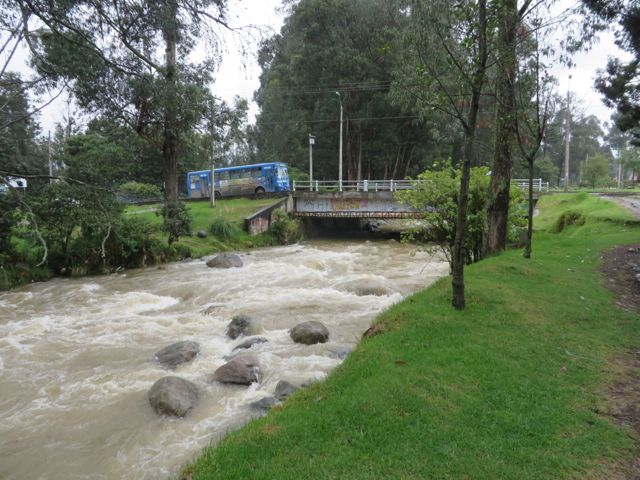
The Ecuadorians have a saying ‘Abril, aguas mil.’  (And lodo=mud.) The direct translation is roughly: April – a thousand waters (and I added the part about the mud). You get the idea – it’s basically the same sentiment as ‘April showers bring May flowers.’ True to form, the atmosphere has delivered us aguas mil this month. For that matter, March was also a month of aguas mil. I have become accustomed to donning rain gear, boots, and marching out of the house with my giant umbrella (mi sombrillo gigante!) that I purchased on a street corner in a moment of soggy desperation sometime back in March. Everyday I wish we could send some of this deluge off to California, where people actually need the water.

2015_0427b

A Cuenca city bus about to cross a bridge over the muddy and raging Tomebamba river not far from my office at the satellite campus at the University of Cuenca.

Continue reading

Into the Misty Mountains

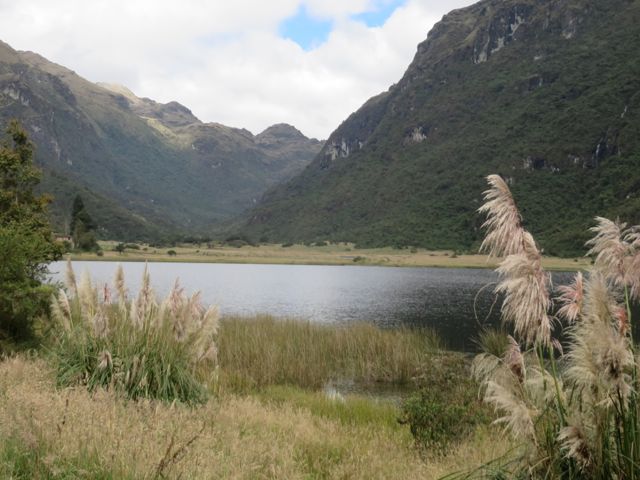
There is something about a windswept, lonely place that draws me in. It’s the escape from the bustling crowds and the diesel. Living in Ecuador’s third largest city is sometimes a challenge simply because it is a city. When I first arrived, I thought I was suffering from culture-shock. I think a lot of the shock was simply adjusting to city life. I’ve adapted, but I still need to escape regularly – to breathe fresh air and wipe the grime from my face.

New Zealand has the Middle Earth claim-to-fame. But the Andes could have easily played a starring role as the Misty Mountains in Lord of the Rings.

2015_0410b

Continue reading

Holy Anemometers, Batman!

Just in time for Easter, this post has a little religion and a little science all in one! Not that I ever mix the two, but sometimes it’s interesting when they stand side by side.

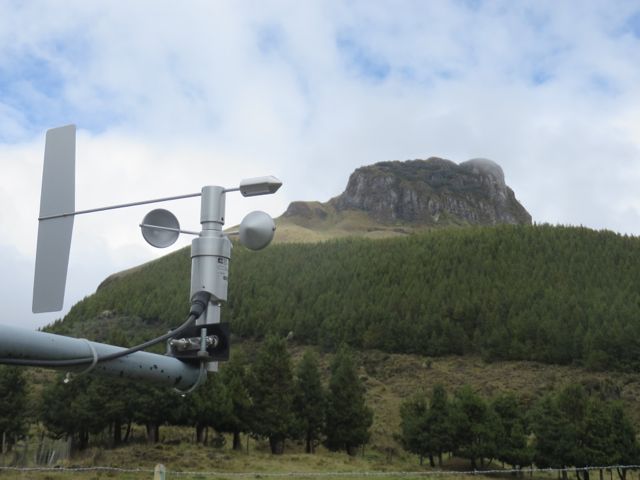
Last Thursday I took my first pilgrimage up the mountain with colleagues to check out one of the weather stations. We drove about 30 minutes up toward Cajas National Park, west of Cuenca. I was excited to get out in the countryside, having been cooped up from all the rain these past couple of weeks.

2015_0326a

The anemometer is an instrument that measures windspeed – the little cups rotate in the wind.

Continue reading

GSA Resource Roundup

Alternate Post Title: Saving the Planet – One Website at a Time

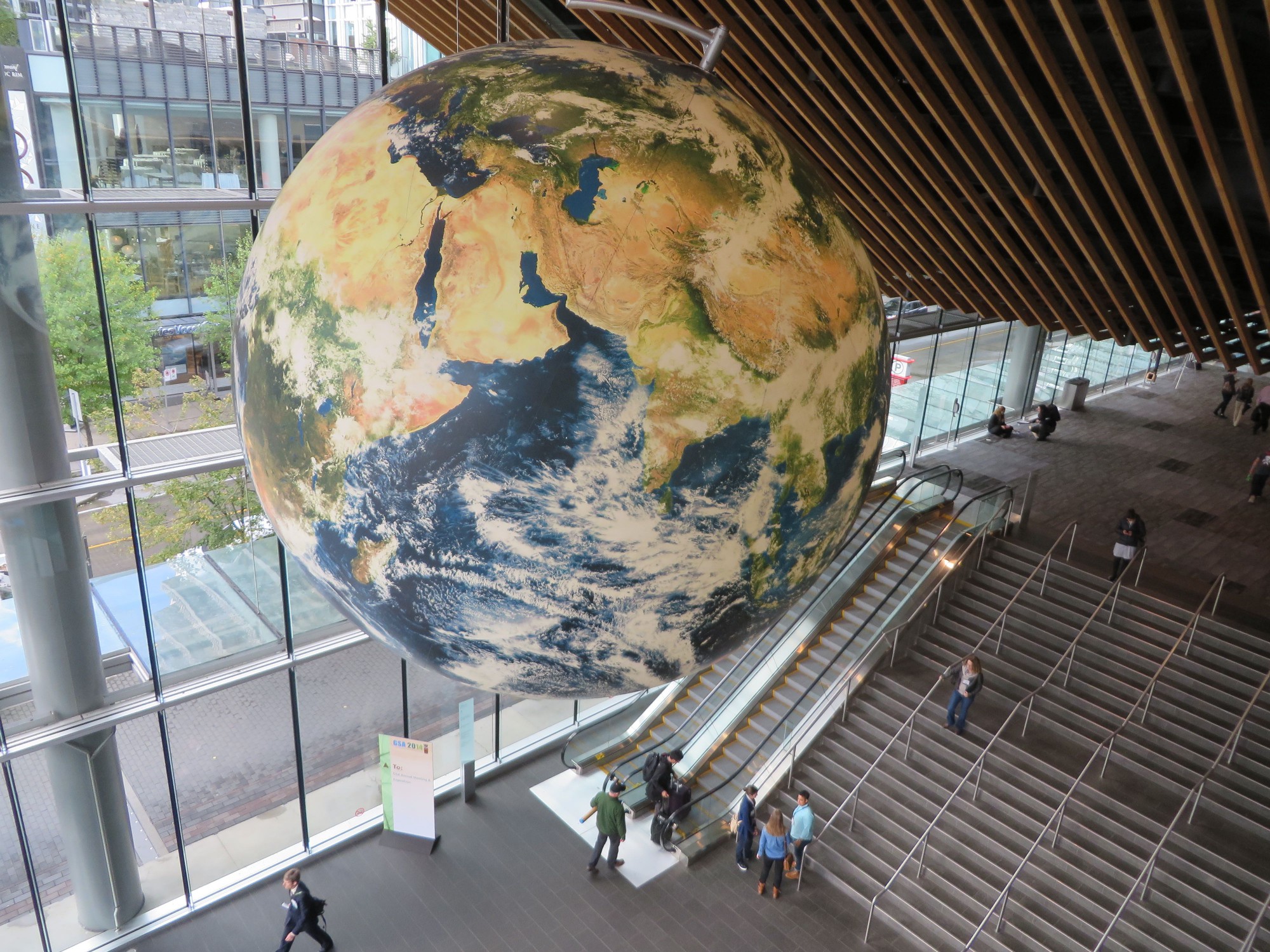
I recently added Canada to the list of countries I’ve visited. (I know, of all the places I’ve been in this world, I had never been across the border just to the north.) Vancouver gave me a chance to experience truly cloudy skies, rain, lush green vegetation, and a rush of thousands of geoscience enthusiasts on their way to catch the next talk at the annual meeting of the Geological Society of America.

GSA_Globe

Continue reading

An Introduction to South American Climate

Another title for this post: What It Is That Scientists Do at Those Meetings, Anyway?

Last winter, in the midst of a deep freeze, and up to my neck in class work, I came across an announcement for a meeting on South American climate change. Specifically, the focus of the conference was climate change and human interactions with climate over the last 2000 years (for more info see Lotred-SA Symposium). I had explicitly stated in my sabbatical proposal that I would attend a conference focusing on my new research direction in order to meet people and get a feel for what type of work is going on in the field. This was perfect. It combined my interest in pursuing research on South American climate change, with my experience studying paleoclimate. The meeting was in Medellín, Colombia – some place warm and tropical, and not far from where I will stay during my Fulbright (after all, Ecuador is just across the border) – the perfect sabbatical kick-off. Continue reading