In the footsteps of the dinosaurs

The desert always help me step deep back in time. I love that I can walk in a place that has been shaped by wind and water and deep earth processes more than by life itself. These landscapes were sculpted long before there was even a whisper of human evolution in the global gene pool.

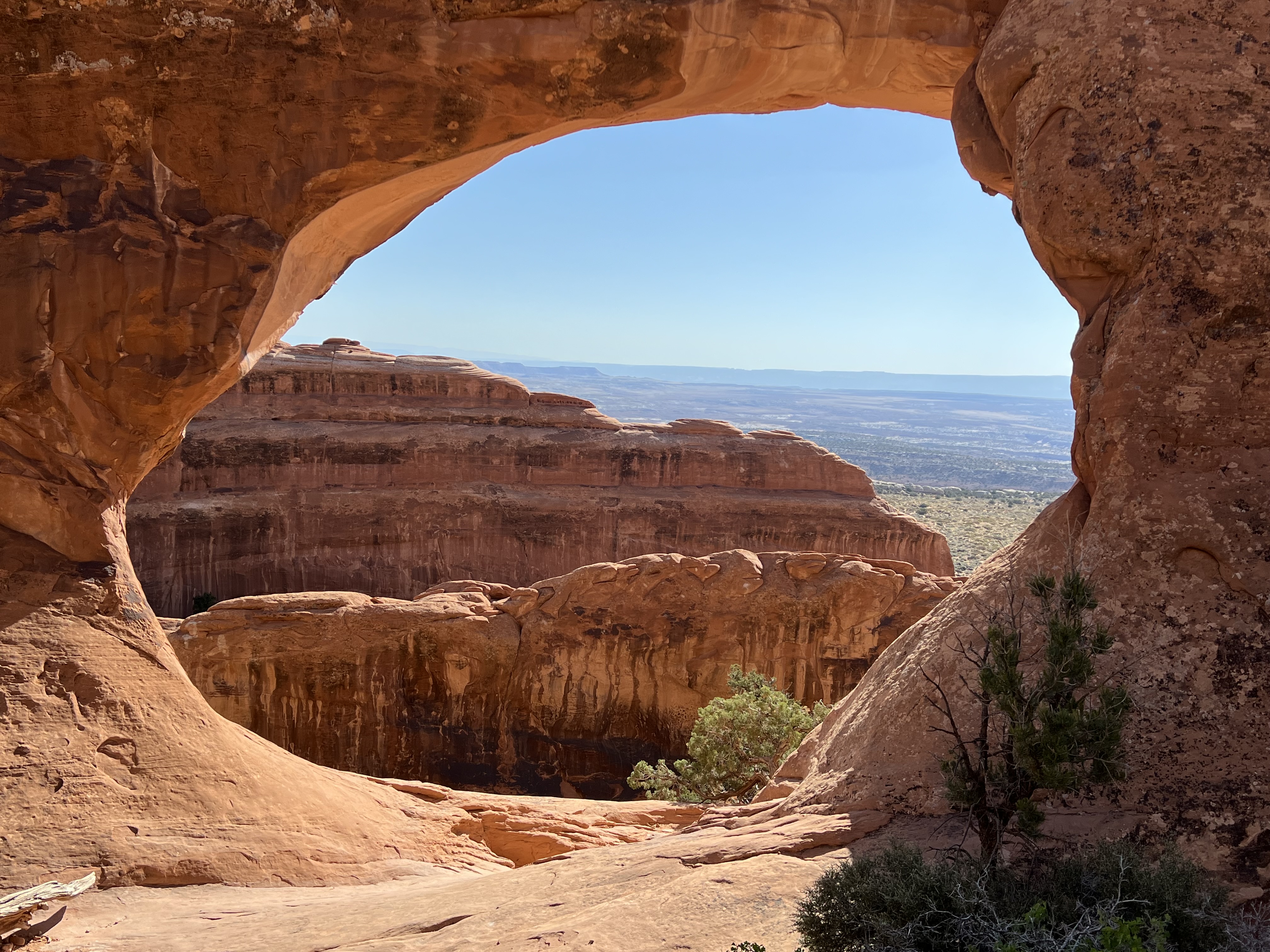
Arches National Park in southwestern Utah in late May is sunshine and blue sky and bright red rocks that cast long shadows in the mornings and evenings. It’s also small white puffy clouds and heat that bakes you from all directions. We are in the park before 7am and out on the trail not much later, so we can be done before running the risk of evaporating right off the sand and rock.

Continue reading

Preparing our students to build a new world

On the first day we talked about clouds. I needed a hook, and, given the abundance of different cloud types one can observe in the city of Dalat in a day (sometimes even in an hour), this seemed like a good place to start a short course on Tropical Meteorology and Climate Change. Who doesn’t like clouds? My first class in Vietnam was not unlike a first class in any of my other courses back home. I had the same objectives: I wanted to know my students. I wanted them to understand what we can expect from each other and from the course. I wanted them to feel excited for what we about to learn together.

With students at the University of Dalat, after we learned to sketch out patterns of global atmospheric circulation.
Continue reading

Earth as 1989 Planet of the Year – We’ve come so far. Not.

(Alternative title: How I became a climate scientist). I’m back! After a long hiatus (also known as ‘spring semester’), I’m getting ready to publish a few posts that have been in the works for some time. This post, in fact, has probably been ‘in the works’ for more than 25 years.

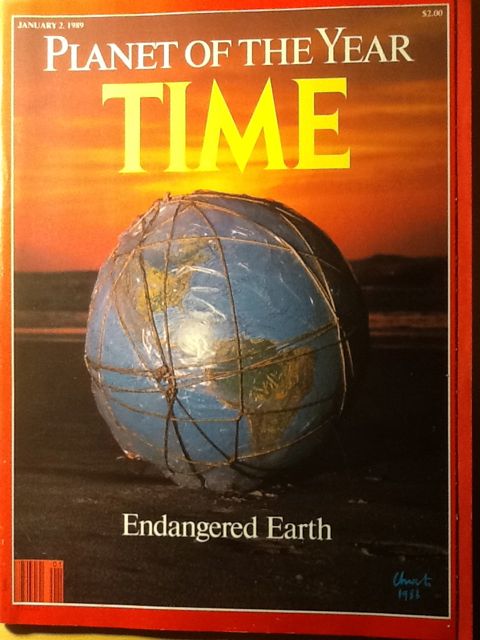
I recently gave a talk to a group of faculty at my university. I was asked to speak about my work, but also share a bit about how I got into climate science in the first place. I started with this cover from Time Magazine – January 1989.

2016_May17TimeMag

The cover of Time Magazine: January 2, 1989

This was the magazine cover that changed my life. Continue reading

Oh, wait…What did I just say?

2015_0719a

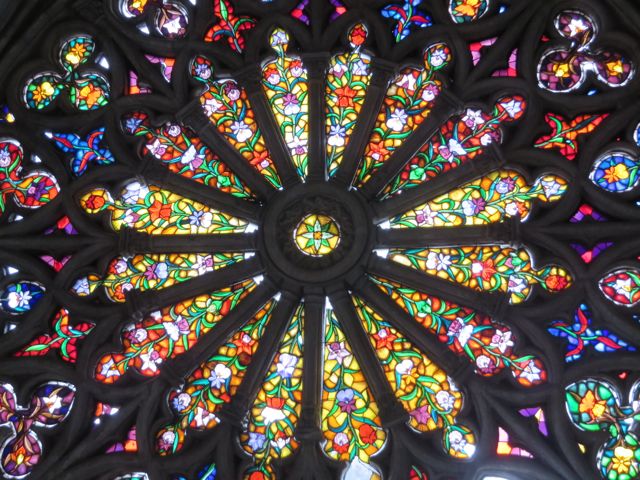
Learning to communicate effectively in another language is like putting together pieces of a mosaic. There are so many little details to consider – sometimes you’re able to see the beauty in the big picture, but you may not understand exactly what it all means. (Photo from the Quito Basilica – Feb 2015)

“I have already lost my meal,” I say as the waitress walks up to the table. I don’t realize what I’ve said until she looks at me a little funny. Of course, I really meant to say, “I have already ordered my meal,” but the Spanish verbs for ‘to lose’ (perder) and for ‘to ask for, or, to order’ (pedir) are too close in my head, and I constantly mix them up. If you’ve spent any amount of time trying to communicate in another language, you’ve certainly had moments of enlightenment where you realize exactly how silly you probably just sounded.

Continue reading

Learning to write all over again

I might be crazy, but I’ve decided to keep a blog in Spanish. I’m not linking it to FB – but if you want to read it, you can find it here: A Través de la Niebla (Through the Fog). Actually, if you speak Spanish, I’d appreciate feedback from time to time. Learning to write in another language involves going through the process of learning how to write all over again. I suddenly feeling a lot of empathy for my students – all those times I’ve returned papers slathered in red ink.

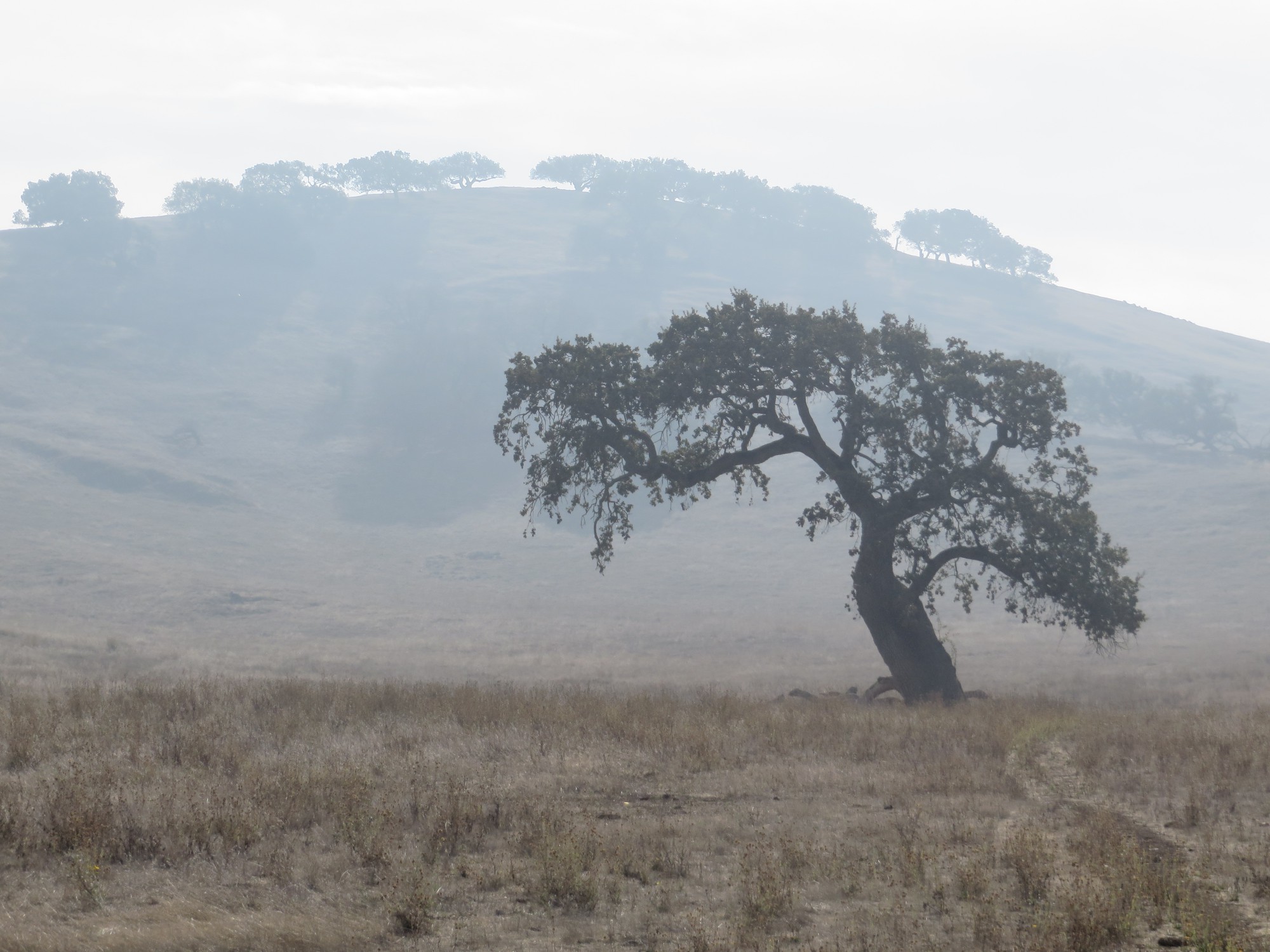
The theme photo for my Spanish-language blog 'Through the Fog' - courtesy of the California landscape.

The theme photo for my Spanish-language blog ‘Through the Fog’ – courtesy of the California landscape.

Continue reading

On Being A Student…Again

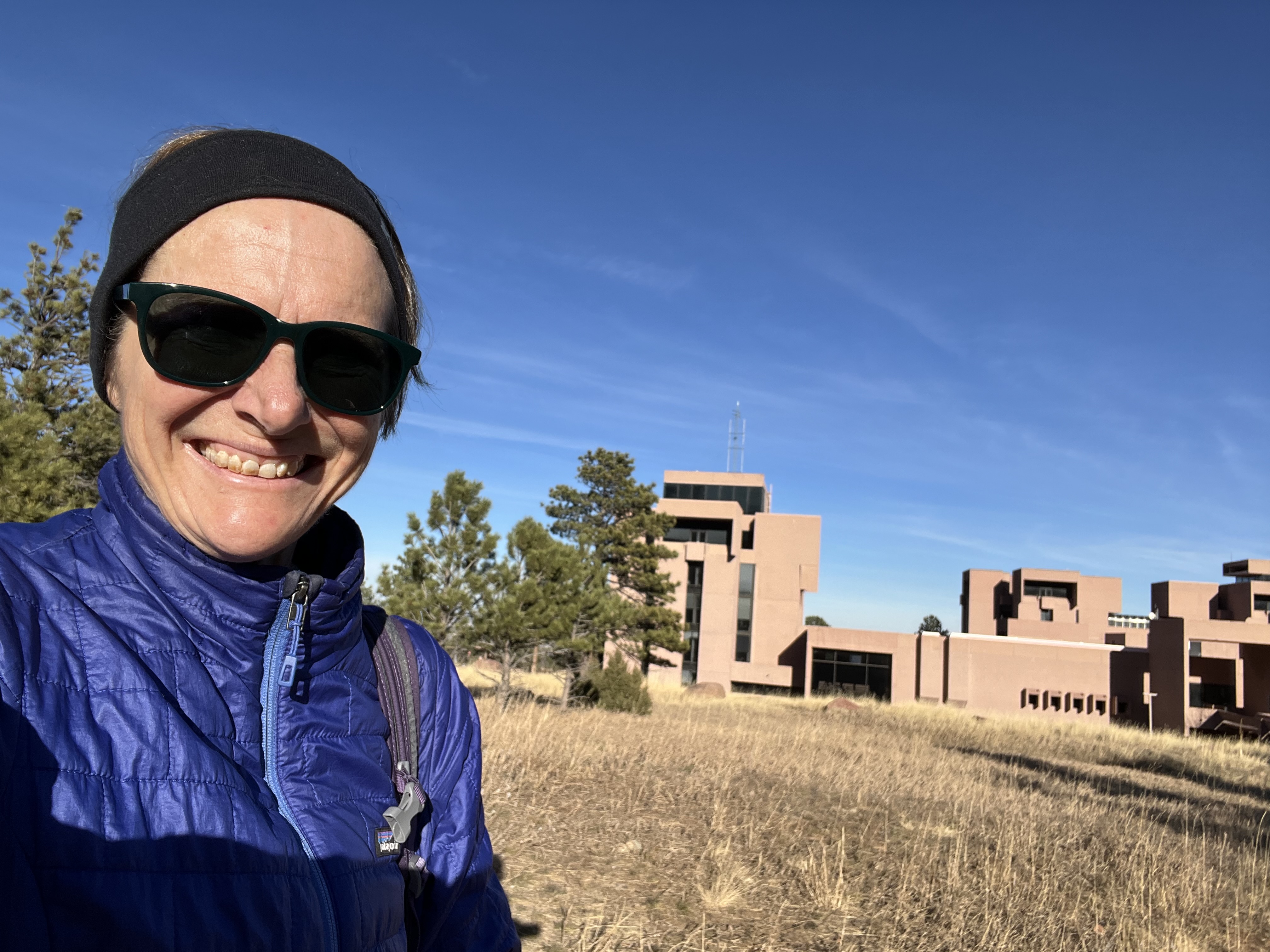
I have a secret. One I’d rather not let any of my students know about. But I figured I should get it out in the open. In July I was attending a week-long workshop in Boulder at the National Center for Atmospheric Research. I signed up for the workshop with my grad student, so we could learn how to use a popular weather research and forecasting model to study climate. Each day we had ~6 hours of lecture, followed by an afternoon lab/practice session. The lectures covered everything from how to operate the model, to discussions of the theory and physics behind it. Each day: 6 hours of lecture. Guess what happened? Continue reading