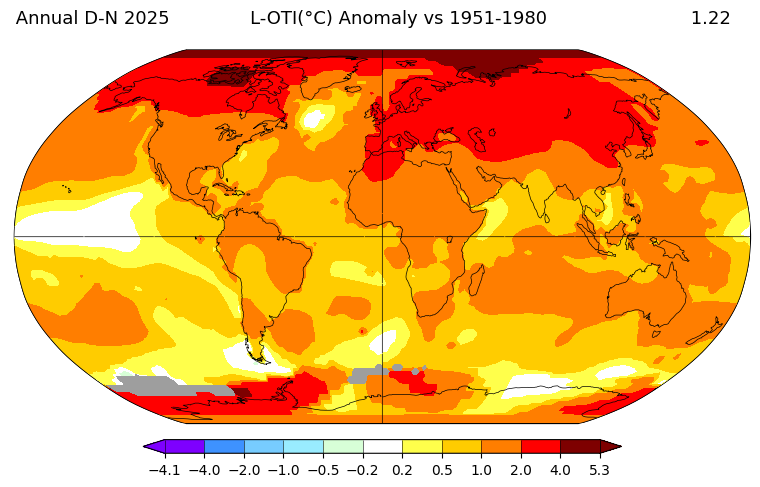
Deleting the word climate change from thousands of government websites will not erase the fact that we are in the midst of a global change that threatens every aspect of our civilization. Deleting climate data will not stop the Earth from getting warmer. Current federal policy around climate change is tantamount to covering your eyes and ears and singing at the top of your lungs as you pretend gravity doesn’t exist and step off a cliff.
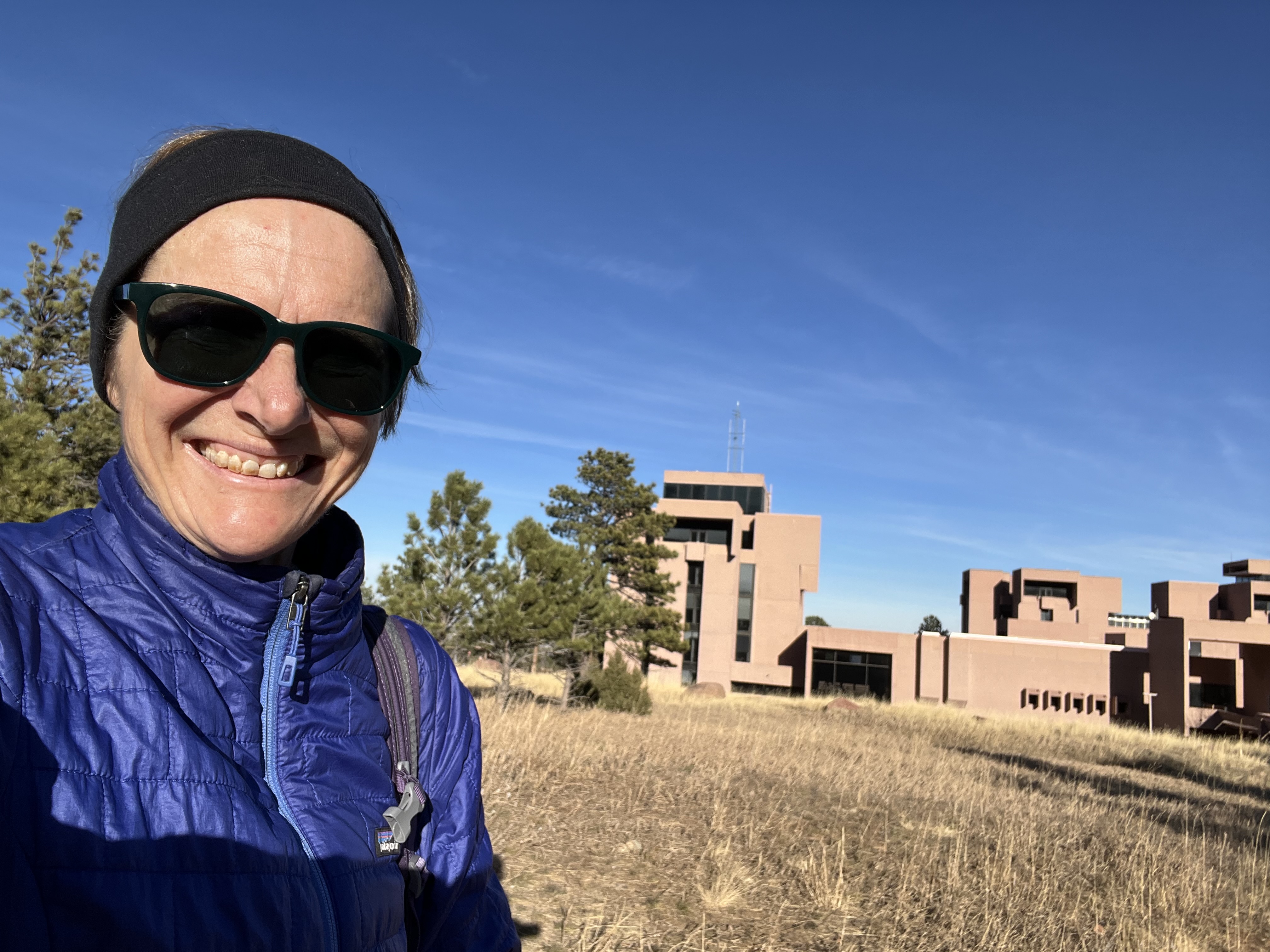
In December, the current US government announced plans to dismantle the National Center for Atmospheric Research (NCAR). NCAR has long been the global flagship for climate research. Nearly every one of my colleagues in climate science has passed through there at one time or another – for conferences, seminars, summer research opportunities, and professional development. The NCAR Mesa Lab in Boulder, CO, has led the world in helping us understand the impacts of global warming.
But Russ Vought, the Director of the White House Office of Management and Budget, has called NCAR “one of the largest sources of climate alarmism.”
I guess if you’d rather die in a fire than deal with the annoyance of a fire alarm, then this is a valid statement.
I know, some of you reading this may think that I am one of those ‘climate alarmists’. Yes I am. I proudly admit that. I’ve been studying this stuff for more than 30 years. It is alarming. And I can confidently say that no one in a position of power in the federal government right now understands anything about climate change.
NCAR was critical to my own growth as a scientist and a professor
The NCAR Mesa Lab has floor-to-ceiling windows in the main lobby that face the Flatirons. The Flatirons are large sandstone formations that border the western edge of Boulder. On one of my first visits there, I remember huddling with a group of other grad students, watching as torrents of rain spilled down those window panes. We were attending a week-long course on the El Niño-Southern Oscillation.
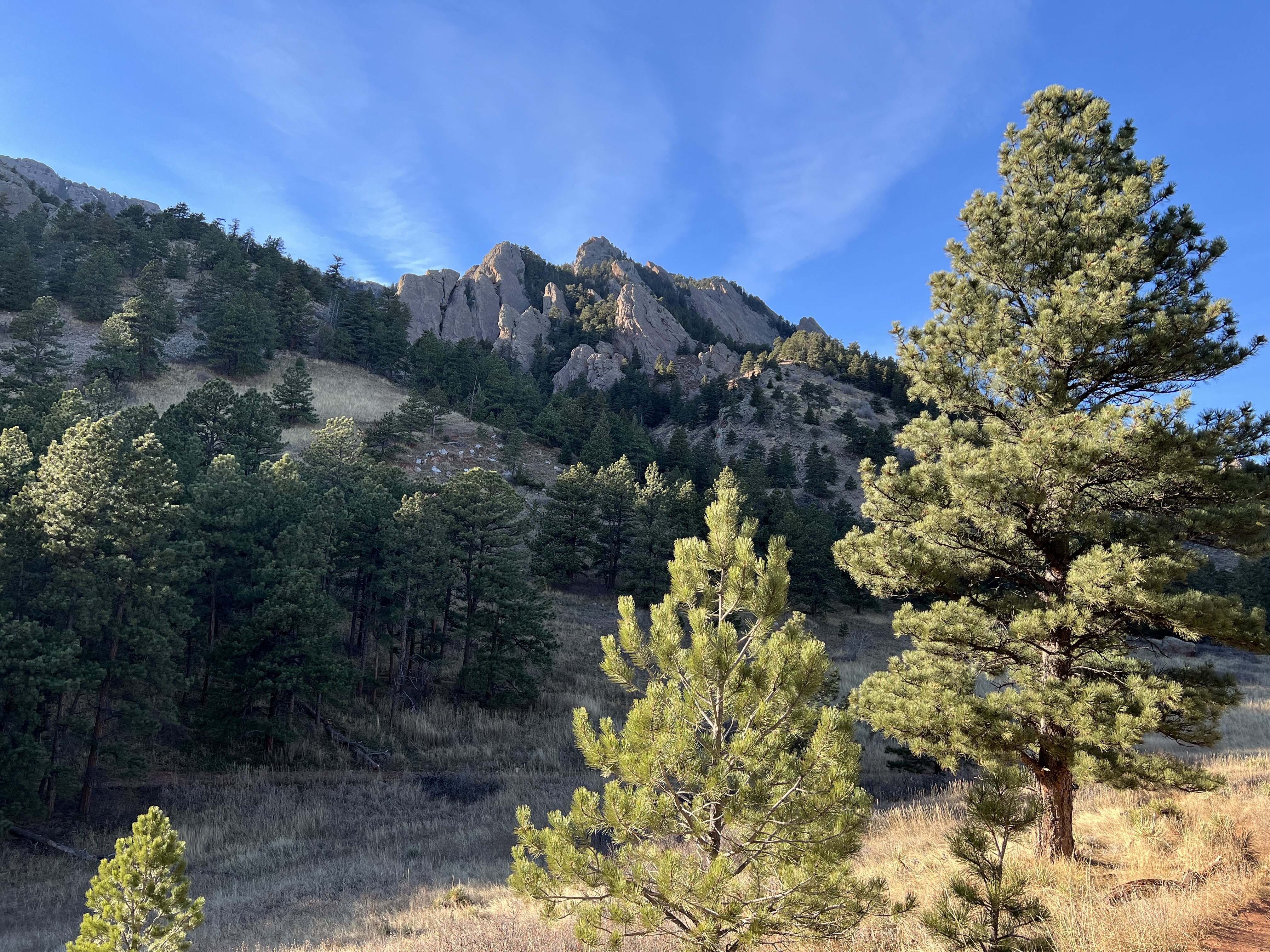
We spent our days learning from some of the top climate and weather researchers in the world. We attended seminars and discussion groups that sometimes involved lunch time hikes out the back door of the lab. But on this day in July 1997, we were stunned at the atmospheric event taking place before our eyes. An hour to the north, Fort Collins was inundated with some of the highest rainfall rates and heaviest rain ever recorded in a Colorado city. That two-day flood changed the shape of the city.
My week at NCAR triggered something inside me. I knew that I wanted to spend more time learning from these scientists. I was fascinated by what they had learned about El Niño. El Niño is a periodic warming of the eastern Pacific Ocean off the coast of South America. While that sounds far away to those of us in North America, there are long-distance links between our atmosphere and oceans. Atmospheric teleconnections mean that a shift in climate or weather in one region of the world can have global impacts.
Learning about this reinforced a growing notion I had that we are all connected. I could feel the world shrinking, in a sense. We all share one, small planet, and we need multilateral policies to protect it.
A few years later I found myself back at NCAR as I was working on my Ph.D. at UC Santa Cruz. I was studying global warming in Earth’s past. At NCAR, I had access to climate model experts who could mentor me in my work. Geologic evidence suggests that the Earth warmed rapidly 55 million years ago. This rapid ancient warming serves as an important analog to modern warming. Understanding what happened then allows us to put today’s warming in the context of Earth’s long history.
I visited the NCAR Mesa Lab several times a year as I progressed through my research. On one of those visits, I arrived in Colorado late in the evening on September 10, 2001. The next morning, I was sitting in the Mesa Lab as the Twin Towers crumbled in New York City. I remember feeling grateful for this community of scientists and fellow students that came together for support as we reeled from the shock and horror on 9/11.
In 2007, during my early years at the University of Northern Colorado, I found myself at NCAR again. This community of scientists helped me expand on my Ph.D. work by granting me access to their supercomputer. This support helped me through the pressure of my first few years as a faculty member, and ultimately helped me achieve tenure.
The life I live today, the work I do in science and education, and my success as a faculty member at UNC, I owe in part to my scientific mentors and colleagues at NCAR. The support they offered me as a young scientist laid the foundation for everything that came afterward.
Everyone benefits from understanding climate change
The science magazine EOS, published by the American Geophysical Union, has laid out clearly and concisely what will happen if NCAR is dismantled. Here are the takeaways if you are not inclined to follow my link to the article:
- Air travel will become more dangerous. The work of NCAR scientists has specifically helped us understand things like turbulence and microbursts (strong winds from thunderstorms which apparently used to cause fatal airline crashes).
- There will be increased risks to agriculture and food security in the US. This will impact US economy. Climate change already has big impacts on agriculture. NCAR has been leading the way to help understand those risks.
- There will be increased risks to national security and military readiness. Do you really want our military to not have the best intel on a mission?
- There will be increased risk of loss from extreme weather. Extreme weather is exacerbated by climate change and it has the potential to impact every corner of the United States.
The author of the EOS article also mentions a loss of a source of national pride. NCAR was built to serve everyone in this country, and it has done so since it was established in 1960. NCAR operates to protect property and ensure public safety. The decision to dismantle this institution is not about waste or fraud. It is a reckless decision by people who have a vested financial interest in ignoring one of the biggest challenges we face as a global civilization.
Call your senators and congressional representatives. Urge them to support science and stop NCAR from being dismantled. For a script and numbers: https://5calls.org/issue/ncar-national-center-for-atmospheric-research/
 Northern Colorado Climo Prof