In the footsteps of the dinosaurs

The desert always help me step deep back in time. I love that I can walk in a place that has been shaped by wind and water and deep earth processes more than by life itself. These landscapes were sculpted long before there was even a whisper of human evolution in the global gene pool.

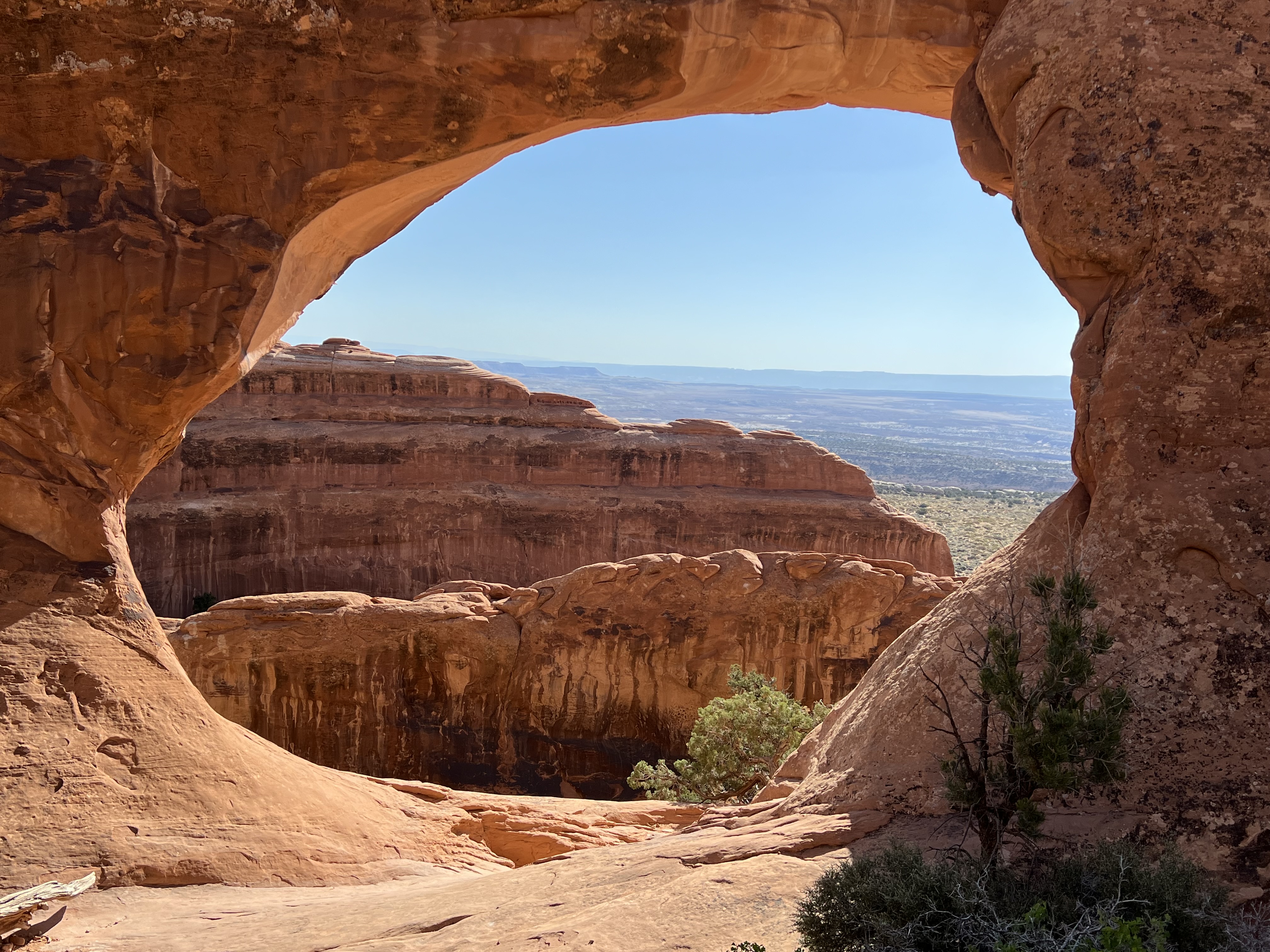
Arches National Park in southwestern Utah in late May is sunshine and blue sky and bright red rocks that cast long shadows in the mornings and evenings. It’s also small white puffy clouds and heat that bakes you from all directions. We are in the park before 7am and out on the trail not much later, so we can be done before running the risk of evaporating right off the sand and rock.

Continue reading

Protecting our National Parks is an Act of Patriotism

Some of my first memories involve riding on my Dad’s shoulders as we hiked past stinky geysers that shot mist and clouds high above our heads. I also remember staring into the abyss of a yellow-walled canyon, while water foamed and gurgled nearby, then raced over the rim. At night we had the thrill of sleeping in a log cabin with bunk beds – but Mom said I was too small to sleep in the top bunk. I was almost three years old the first time I visited Yellowstone National Park, on a road trip with my parents from California to visit my grandmother in Ohio.

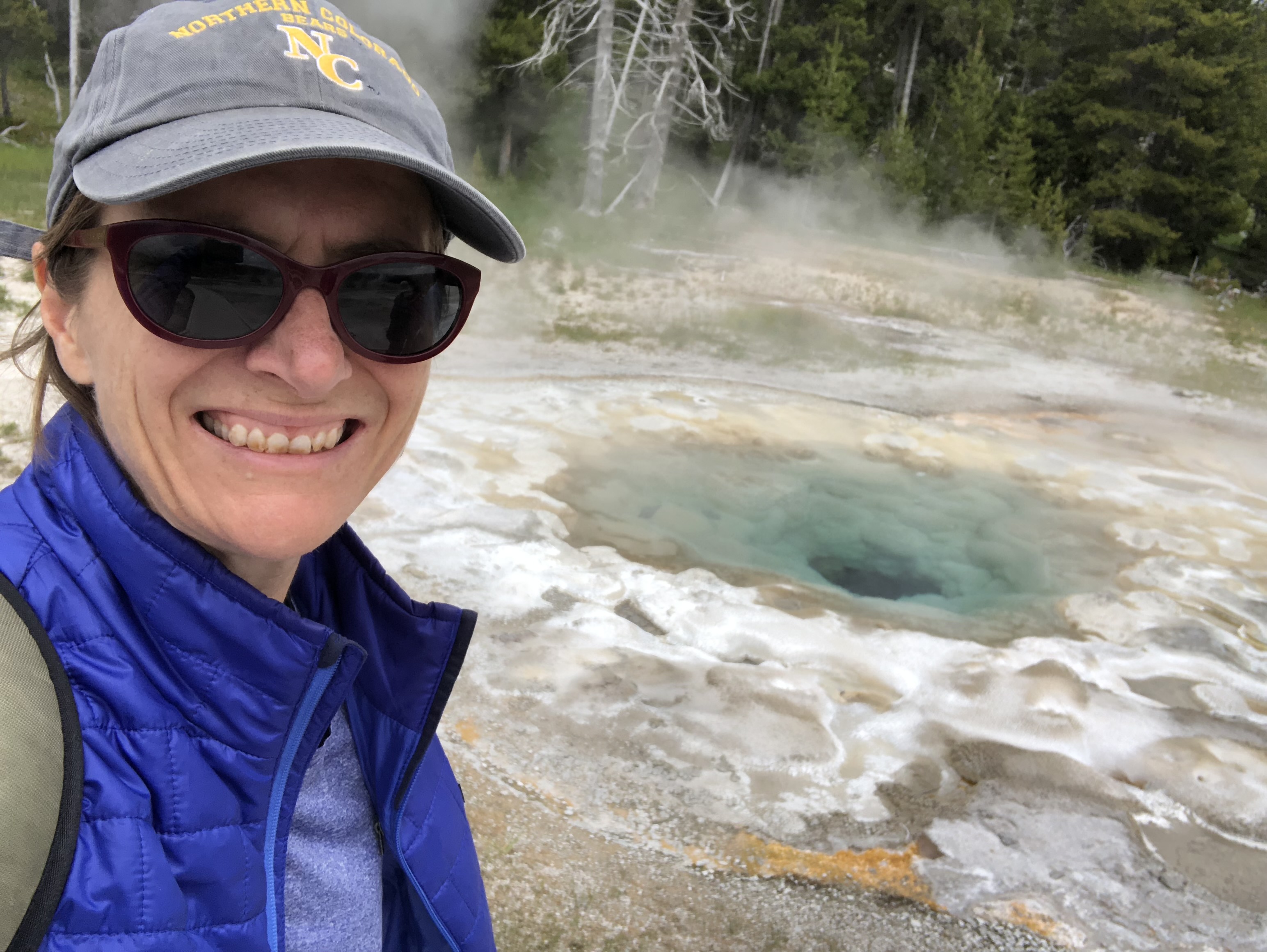
Returning to Yellowstone’s stinky glaciers at a much later point in life.

We also took a helicopter ride over the Badlands (which were several years away from becoming a national park at that point). I remember wearing headphones that pinched my head as we swooped over a landscape that, to me, looked like a layered ice cream sundae.

Continue reading

Neck deep in mud: how we move forward

“There is the mud, and there is the lotus that grows out of the mud. We need the mud in order to make the lotus.” ― Thich Nhat Hanh

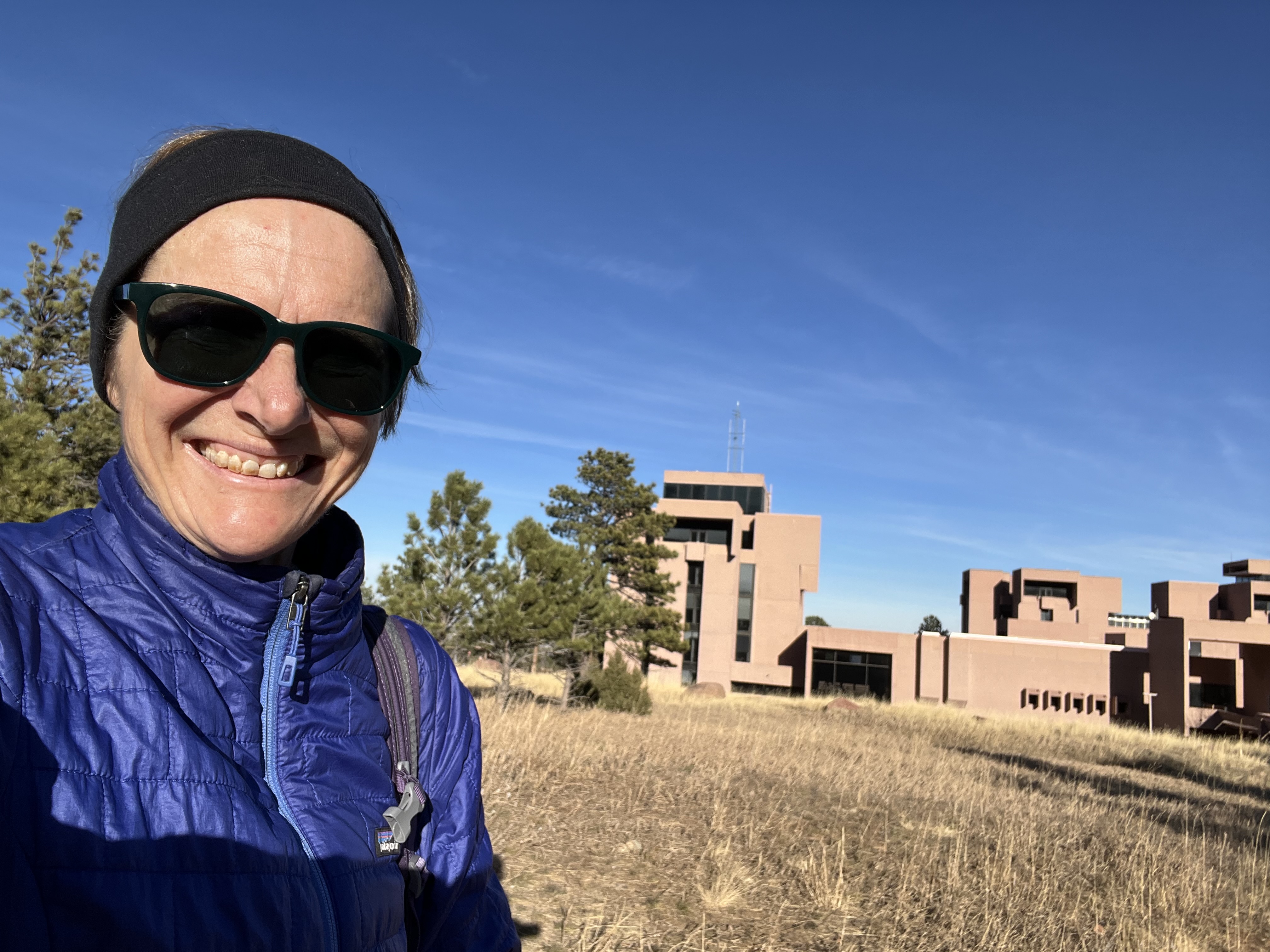
(As a reminder, from my Disclaimer page: this site is not an official site of the University of Northern Colorado. The views expressed here are entirely those of the author, and do not represent the views of the University of Northern Colorado, the Department of Earth and Atmospheric Science at UNC, nor any other program or individual at the university or elsewhere.)

No time to read? Here’s the summary: We need to act as a collective to battle authoritarianism and climate change. We need to act now. White people, especially, have a responsibility to act. This is a clumsy, chaotic, stupid coup – there is still a chance our democracy will live another day. I have to hope that a lotus will grow from the mud. See the bullet points at the end calling for action. And continue to exercise your First Amendment right whenever you can.

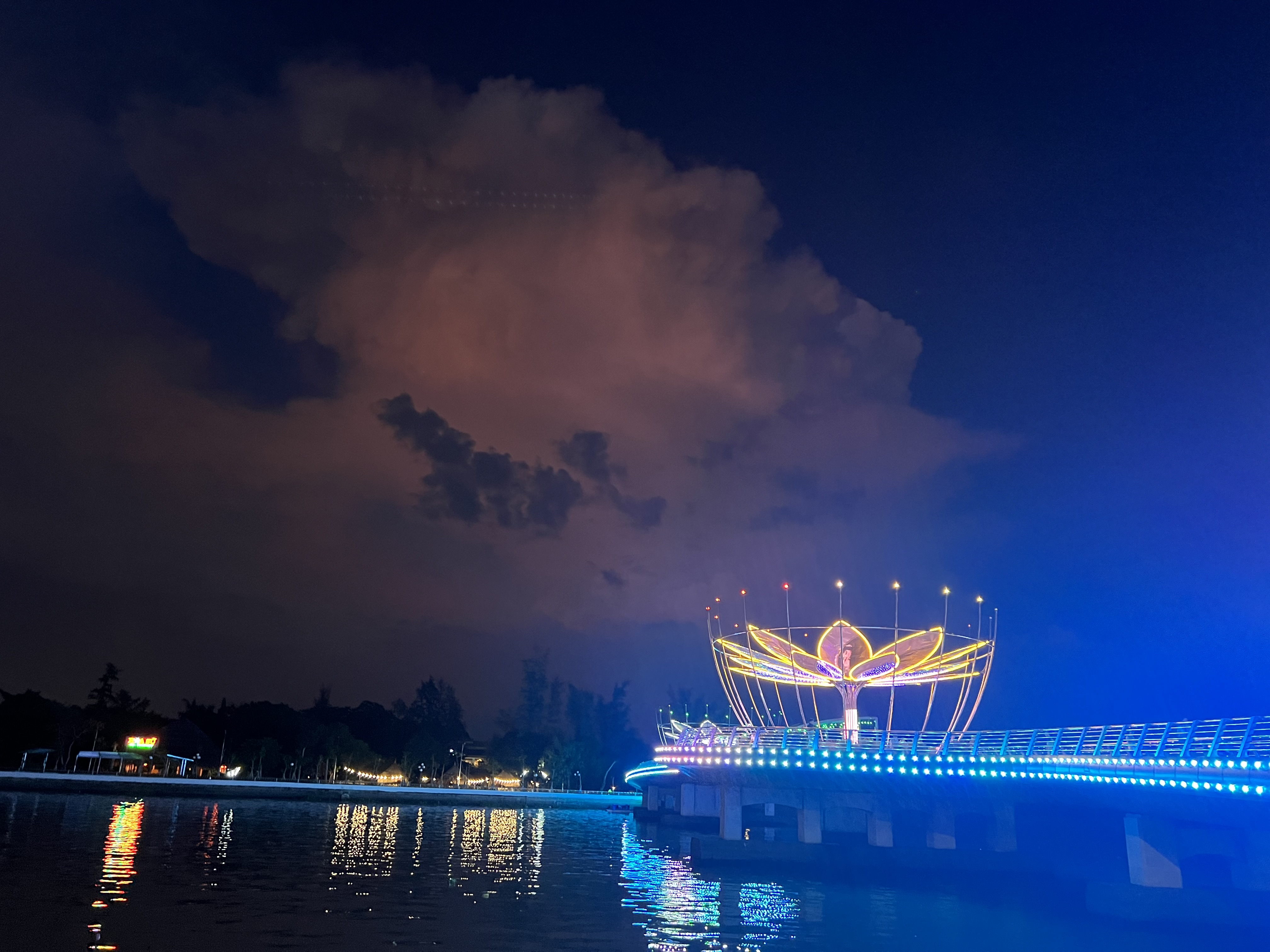
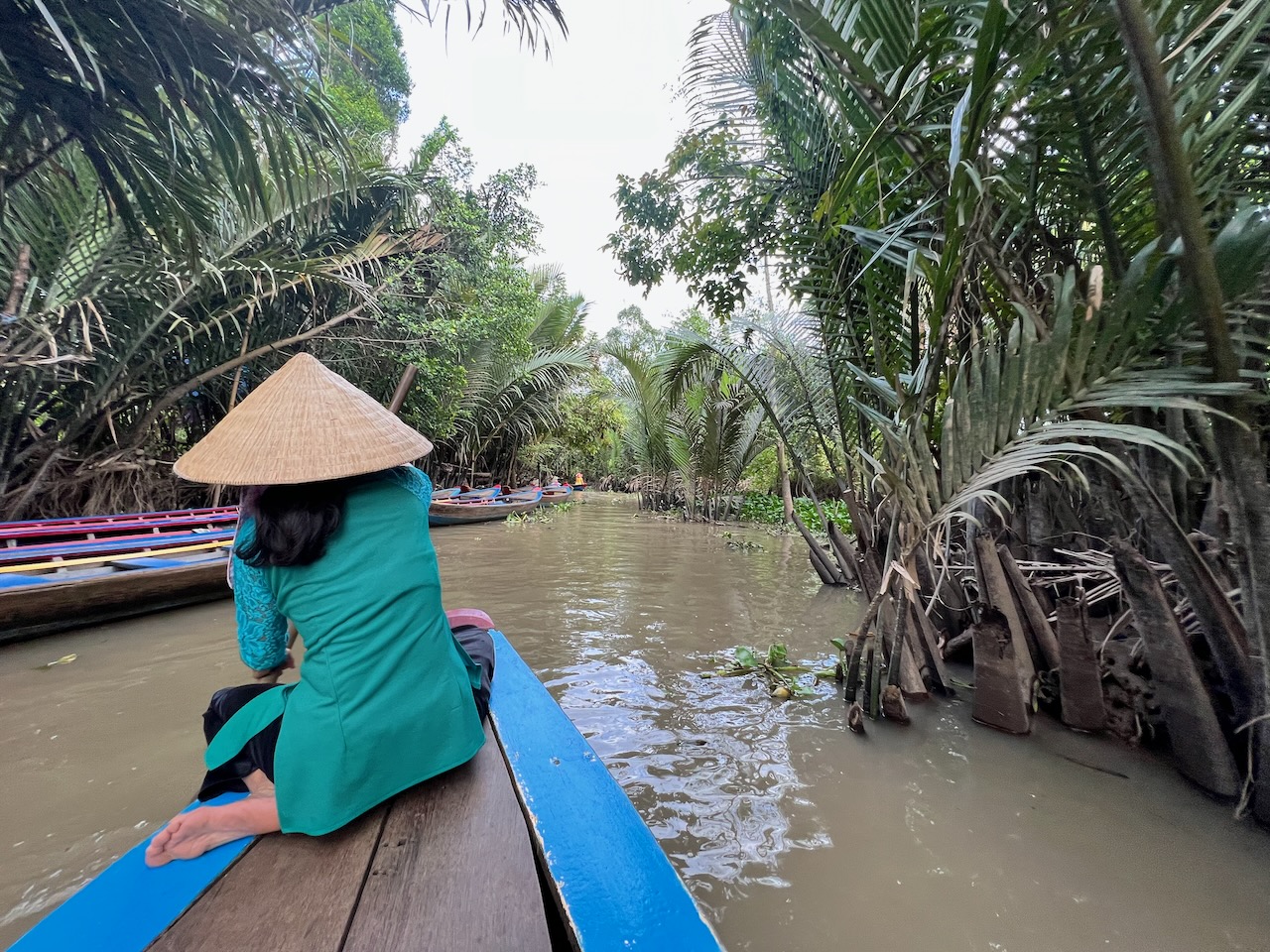
The lotus emerging from the Mekong Delta.
Continue reading

Resilience Amid Disruption

(As a reminder, from my Disclaimer page: this site is not an official site of the University of Northern Colorado. The views expressed here are entirely those of the author, and do not represent the views of the University of Northern Colorado, the Department of Earth and Atmospheric Science at UNC, nor any other program or individual at the university.)

Call to Action (if this is too long for you to read): Do one small thing to build resilience. And please share a good recipe for chocolate chip cookies that doesn’t require eggs.

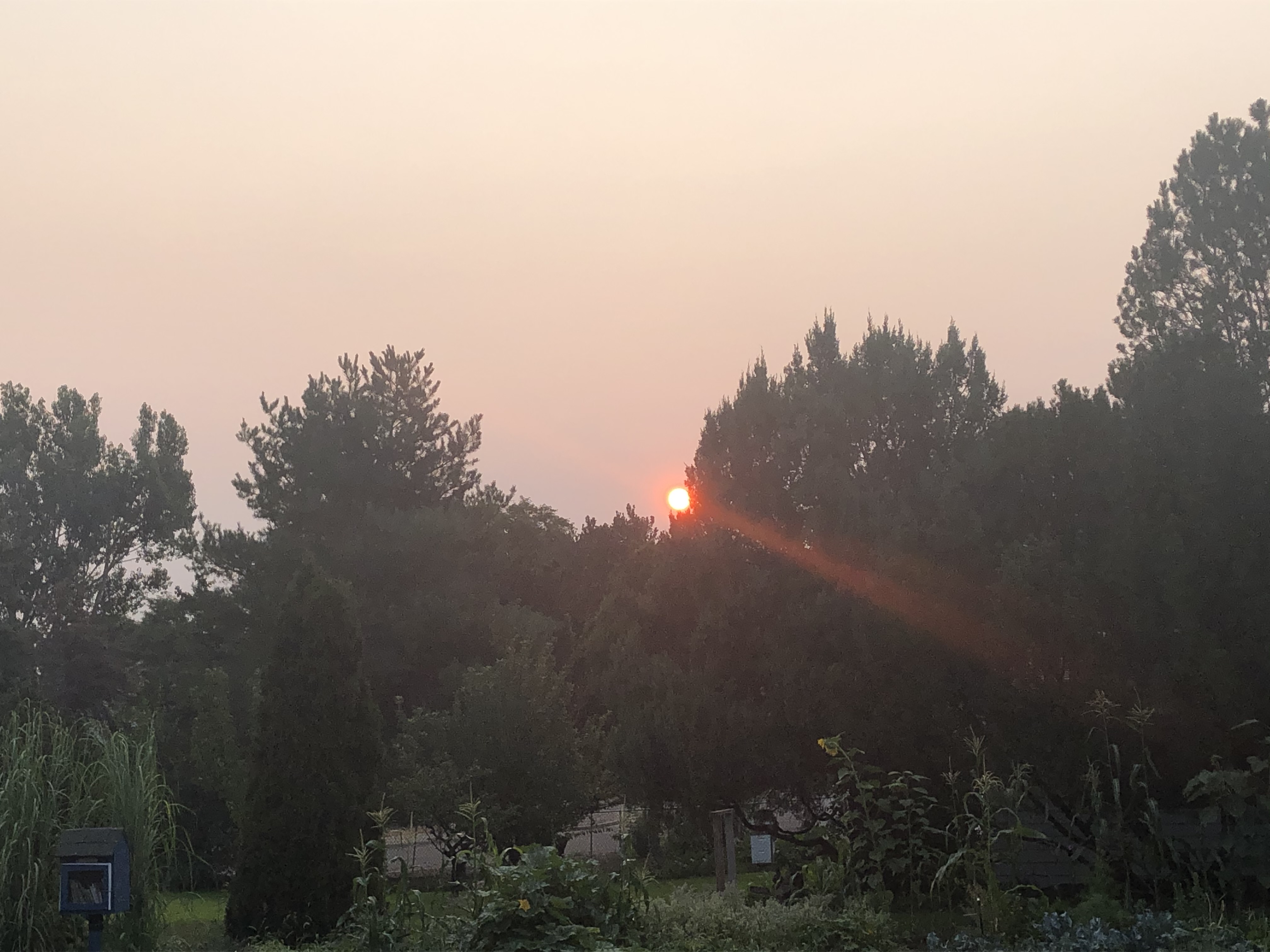
Do you ever feel your words drowning before they pass through your lips? Like the rain beginning to fall just before sunrise. There’s something there that needs to shine out, but it gets lost in shadows. That is where my voice has been these past several months, lost in the shadows.

The world has zapped my energy. Floods, fires, drought, heat wave. Along with other climate scientists, I have spent the last 25 years shouting ‘the sky is falling’ over and over. Now that it is falling, many choose to be blind – afraid that recognizing it for what it is will ruin the world we’ve worked so hard to build. Sorry. The ruin is happening now because not enough people (especially people with power and money) have paid attention.

Continue reading

Termites and Gibbon Songs in Cat Tien National Park, Vietnam

We sat on long benches in the middle of large flatbed trucks with 50 of our closest friends as we trundled along a lightly paved road in the fading dusk. Our night safari tour guide at Cat Tien National Park stood at the front of the flat bed, leaning on the back of the cab of the truck, his searchlight scanning the landscape and the lower branches of trees that sometimes came rather close to our heads. Large termites, drawn to the light, joined our tour.

The termites come out to interact with tourists on the night safari at Cat Tien National Park.

They landed in people’s hair and pelted us on the forehead and cheeks. We should have known that this would be our closest wildlife encounter. But no one wanted photos of the bugs. Cell phones were trained on the landscape beyond, where we occasionally spotted deer – large and small – grazing in the wide-open grassland. I only managed to get photos of the termites.

Continue reading

Snapshots from another sinking city

My room on the 9th floor of the Sheraton had a view out across Sông Cần Thơ River that runs along south side of the city of Cần Thơ. After a morning at Cần Thơ University listening to students’ proposals to build climate change resilience, my brain felt tired but inspired. Foremost on my mind was this: What is it that gives you hope when your world is sinking? How do you plan for a future that might be underwater?

Sunset over the city of Cần Thơ in the Mekong Delta.
Continue reading

The Garden City at the ITCZ

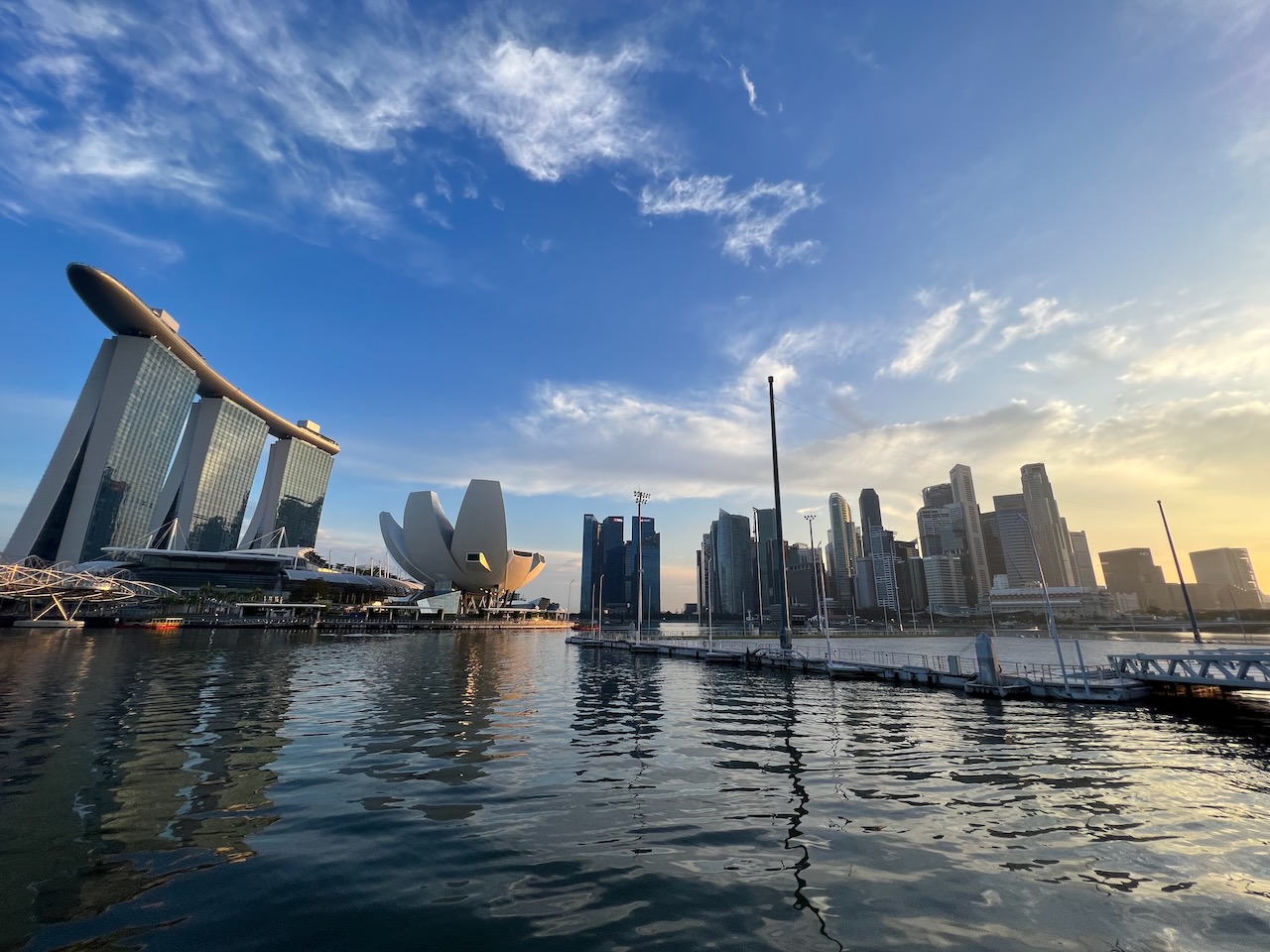
Is it possible to create a world where 10 billion people (the estimated number of people on Earth in the year 2100) and nature live sustainably and in harmony with each other? I wondered if Singapore might have some answers for me.

Singapore’s distinctive sky line at sunset.

When I left the US for Vietnam more than three months ago, I hadn’t anticipated I’d end up in Singapore for a couple of weeks. I only had a 3-month work visa for Vietnam, so I knew I would likely have to go somewhere to renew it. Other Fulbrighters suggested Singapore for the quick turnaround time on visas at the Vietnamese embassy. I was also curious about this tiny country that is also a very large city of six million people on the tip of the Malaysian Peninsula. This is a country that has become a global center for business, commerce and culture, and espouses its commitment to sustainable development goals. But it’s probably most well known among tourists abroad for its gardens, its ‘Supertrees’, and buildings that drip with green foliage in the city center.

Continue reading

Wet Feet and a Warm Welcome in Vietnam

I didn’t know it was possible to sink into mud up to your knee caps and still pull yourself out again. But mud at the bottom of a fish pond is fully mixed with water, and apparently, walking around in it can stir up the critters who live there (shrimp, in this case), and give you a chance of catching them with a wicker basket.

I did not imagine that learning traditional fishing techniques of the Mekong Delta would be part of our Fulbright orientation. Especially not when it followed two days of meetings with US Consulate officials, including the US General Consul, Susan Burns, and many of her section chiefs. We were briefed on economics, politics, safety and health. We met with representatives from the Public Affairs section, who are very interested in our work here, building ties with Vietnamese universities. It was truly exciting to learn about Vietnam from the perspective of Americans who have been working here.

Continue reading

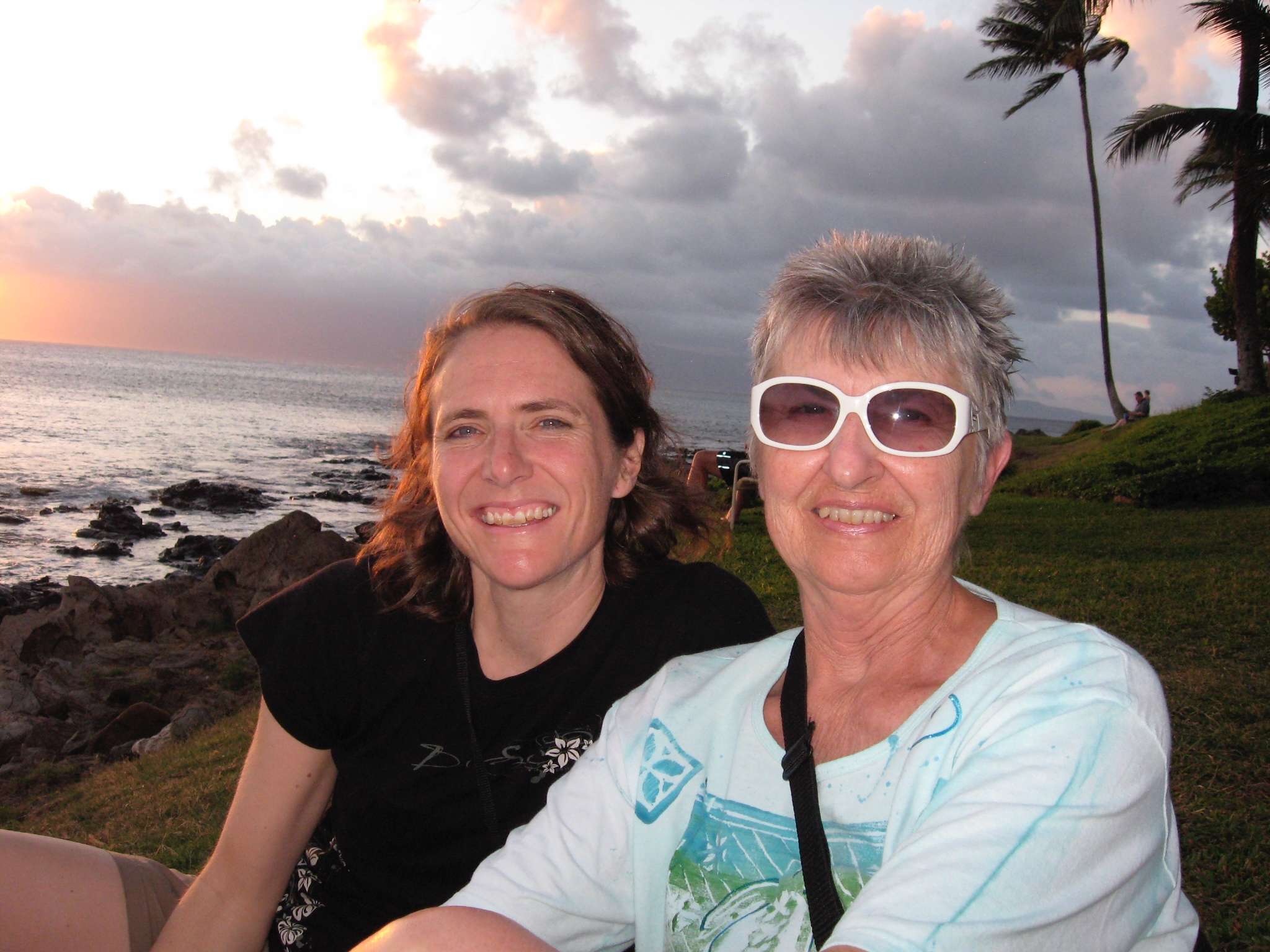
She would have been 80 today

Eight years ago:

I bobbed up and down on the paddle board, alone, far enough from the beach that I could see mountains, engulfed in layers of grey cloud. I was far enough out that it would be an exhausting swim to shore. I rocked to the rhythm of the swells and soaked in the Hawaiian sun. And then I felt it: that little notion of settling into something slow and sweet, of being held and nurtured. It’s a little whisper in the waves, a voice coming through my bones, smiling and also telling me to move closer to shore.

Mom, is that you?

Continue reading

A Model for the Future at Rancho Margot

Chest-high pink and red stalks of ginger dot the landscape like tiki torches. They brighten the forest as distant thunder echoes through the valley. Hummingbirds dart between the trees and I’m amazed I don’t get impaled by one of them. This is Rancho Margot, just shy of the eastern side of the Continental Divide in the Cordillera Talamanca, in central Costa Rica. We are only a mile or so from the nearest village, a few miles from one of Costa Rica’s most famous volcanoes, Arenal, and about 20 miles (or a 40 minute drive) from the lively restaurants, resort hot springs, and trinket shops of the bustling tourist outpost of La Fortuna. But it feels as though we are on another planet.

Empire torch ginger at Rancho Margot can grow up to five feet high. The colors you see here are actually waxy leaves that resemble a pinecone just before the tiny flowers emerge from between the leaves.
Continue reading