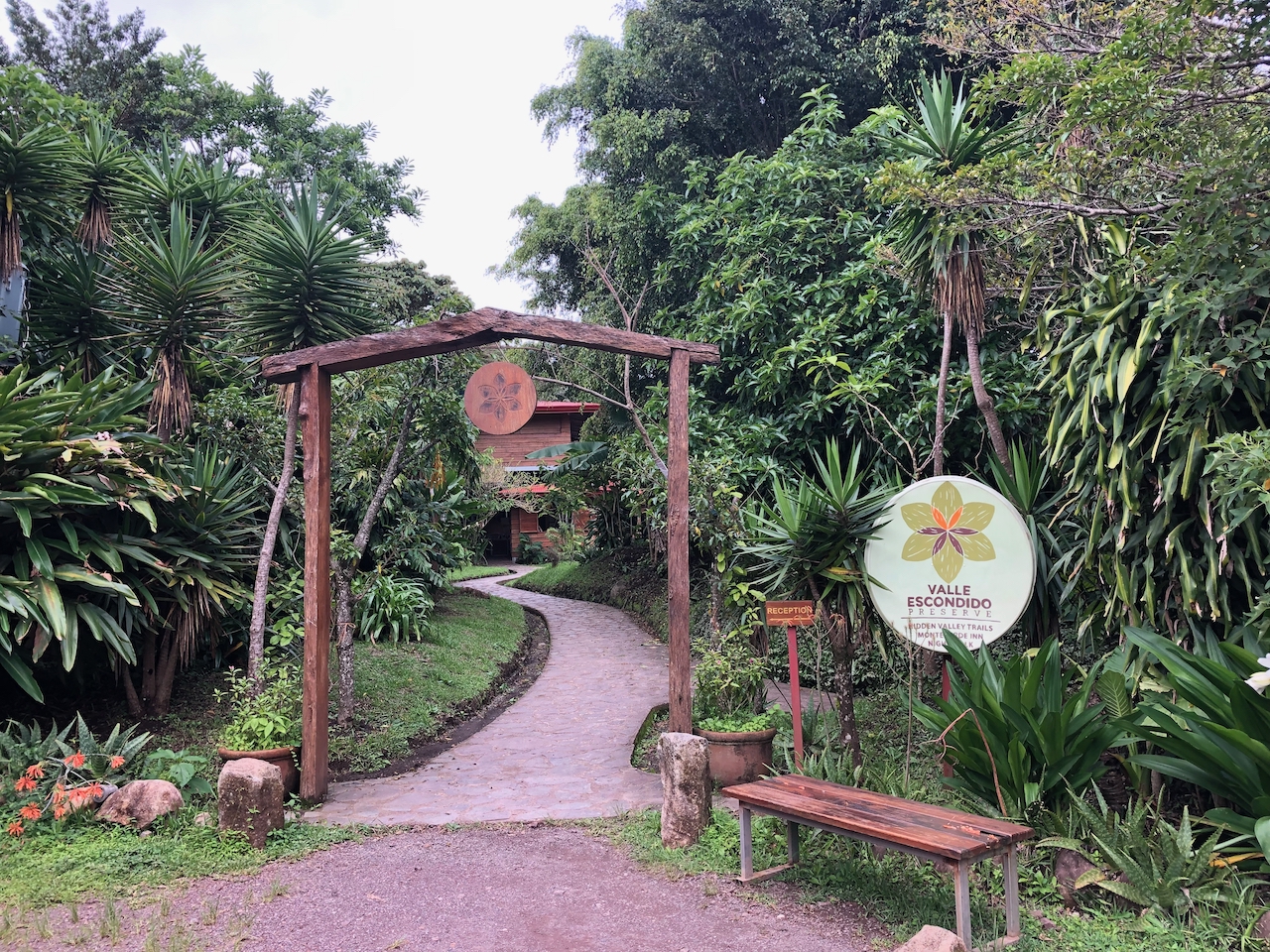
It is June in Santa Elena, Costa Rica, and we are in our hotel room at Valle Escondido (‘Hidden Valley’). The rain pours in sheets off of the tin metal roof, and I find myself wondering: just how much water can the sky hold? Funny enough, I know the answer to that. In numerical climate models, we can calculate something called precipitable water. This is a measure of how much water we would have pooling at our feet if the sky opened up and dropped everything at once. In the Tropics it’s somewhere around 6-10 centimeters. In the firehose of water pounding the pavement outside the window, I believe that’s an accurate estimate.
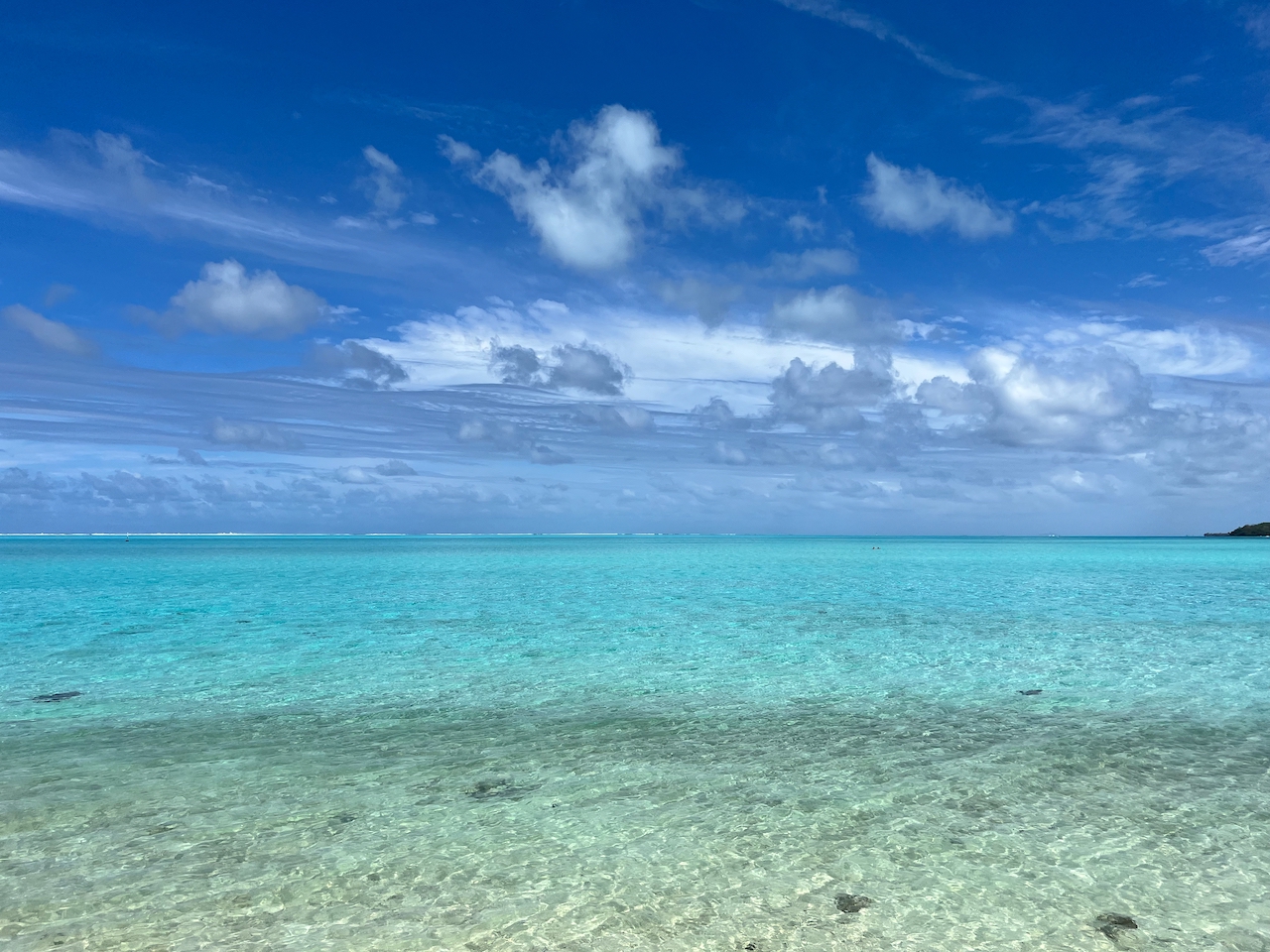
Imagine a place where your vision is filled by all the shades of blue at once. A place where bright white foam rolls on the distant horizon, cumulus clouds tinged in gray roll beneath the cirrus that streak across a royal blue sky, above an ocean that shimmers in shades of turquoise as you trace a line from the far horizon to your feet. If you soften your eyes just a bit, you can almost see the curvature of the Earth. This is how I will remember the South Pacific Ocean.
I bobbed up and down on the paddle board, alone, far enough from the beach that I could see mountains, engulfed in layers of grey cloud. I was far enough out that it would be an exhausting swim to shore. I rocked to the rhythm of the swells and soaked in the Hawaiian sun. And then I felt it: that little notion of settling into something slow and sweet, of being held and nurtured. It’s a little whisper in the waves, a voice coming through my bones, smiling and also telling me to move closer to shore.
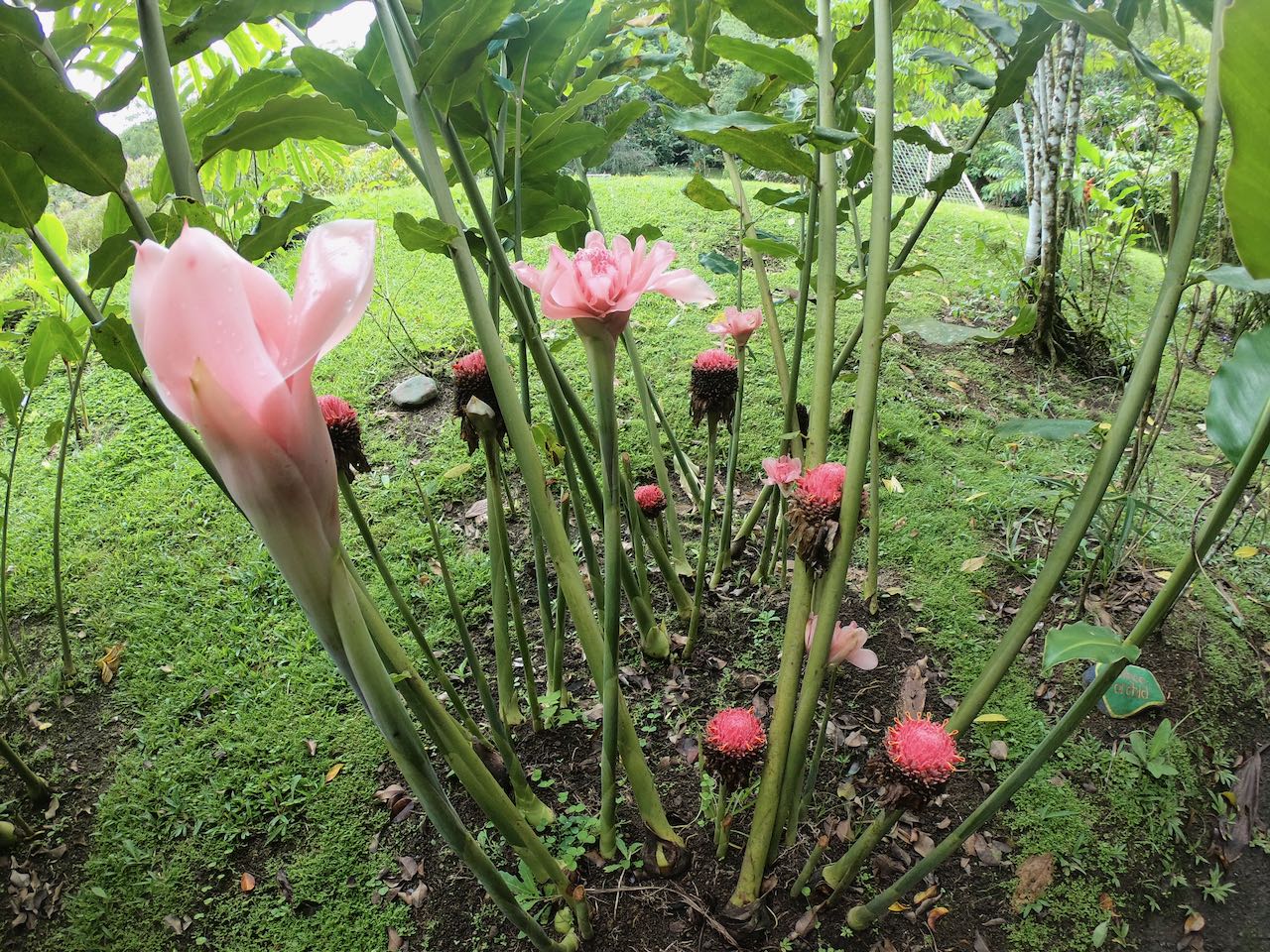
Chest-high pink and red stalks of ginger dot the landscape like tiki torches. They brighten the forest as distant thunder echoes through the valley. Hummingbirds dart between the trees and I’m amazed I don’t get impaled by one of them. This is Rancho Margot, just shy of the eastern side of the Continental Divide in the Cordillera Talamanca, in central Costa Rica. We are only a mile or so from the nearest village, a few miles from one of Costa Rica’s most famous volcanoes, Arenal, and about 20 miles (or a 40 minute drive) from the lively restaurants, resort hot springs, and trinket shops of the bustling tourist outpost of La Fortuna. But it feels as though we are on another planet.
Empire torch ginger at Rancho Margotcan grow up to five feet high. The colors you see here are actually waxy leaves that resemble a pinecone just before the tiny flowers emerge from between the leaves.Continue reading →
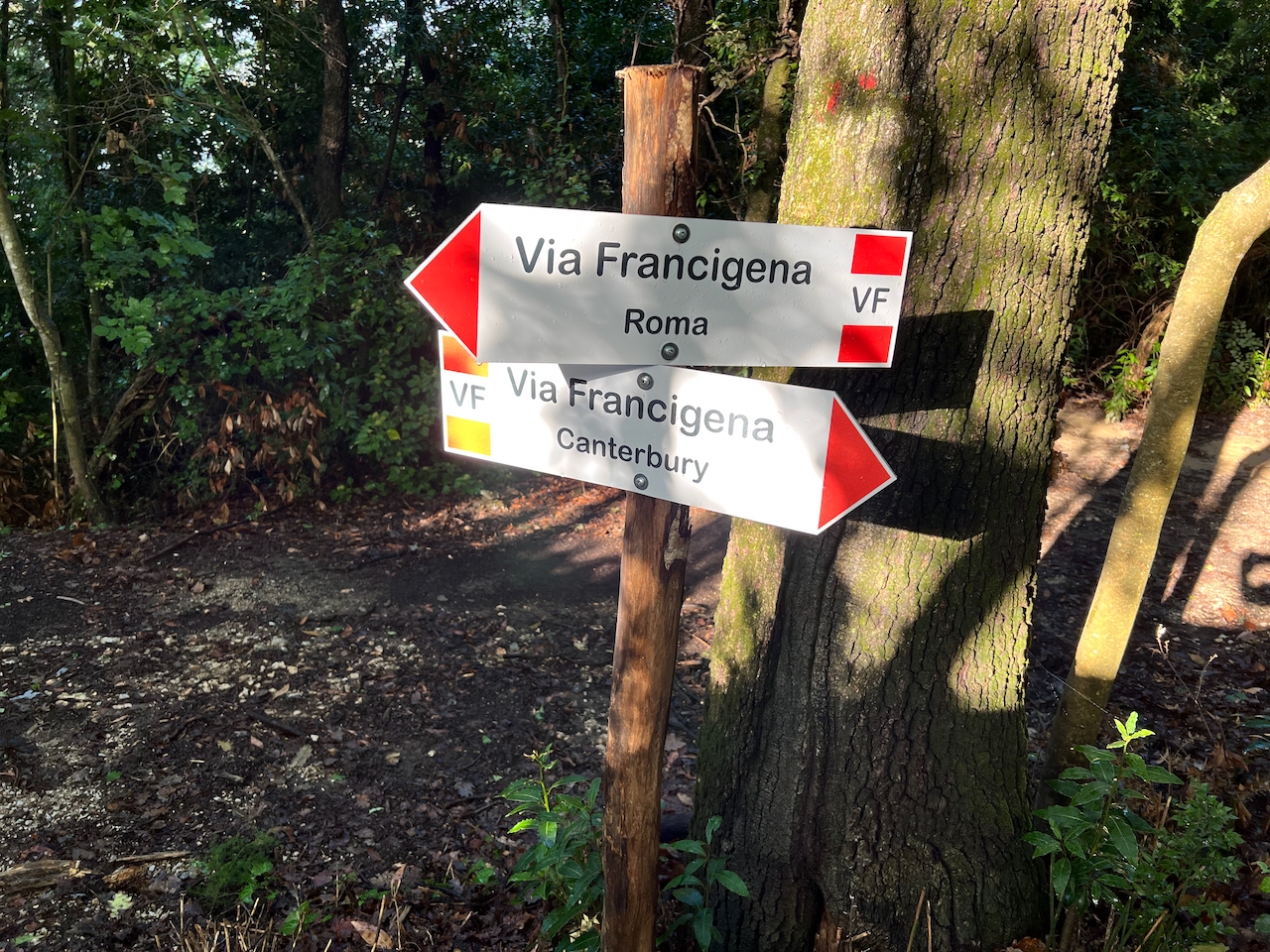
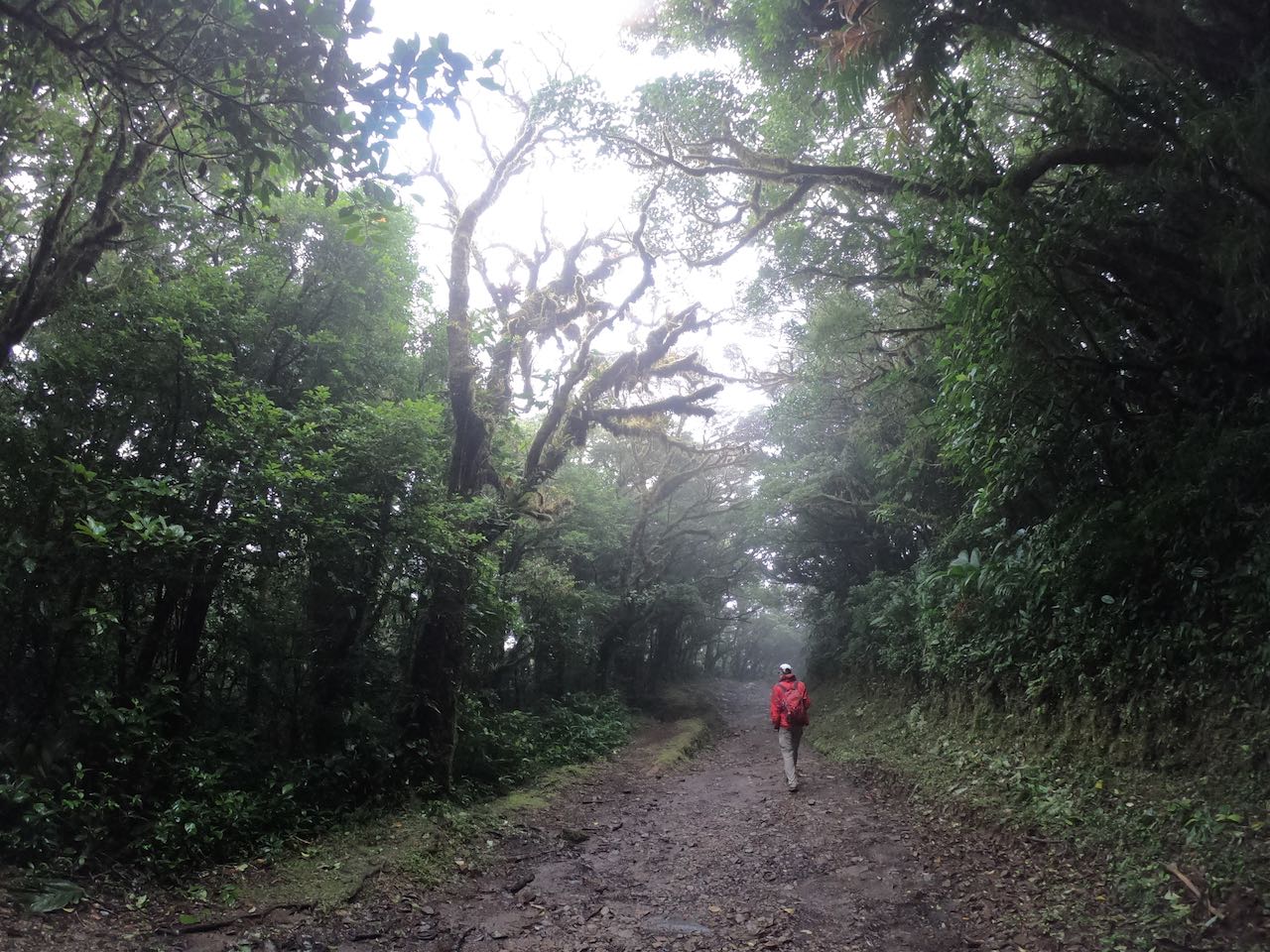
It’s the peak of the first real summer travel season in three years, and nearly every other person I know is visiting Italy, posting photos of cappuccinos, cobblestone streets, and cathedrals. My own first summer travel photos are a bit cloudier. A bit more green. They show the sun filtering through a canopy of leaves and curtains of moss and vine. I wanted to visit a cathedral of another sort for my still-in-the-thick-of-COVID pandemic reintroduction to international travel.
Walking under the mist-shrouded canopy of Monteverde Reserve cloud forest.Continue reading →
(This is a ~10 minute read. If you’re short on time, scroll down to My Travel Manifesto for some tips on reducing your climate impact from travel).
COVID numbers be damned, everyone is traveling this summer. It’s as though two years of cabin fever are sending people on a mad dash out the door to …somewhere. Anywhere.
I admit: I’m guilty of wanting to get back to traveling. I’ve been itchy and irritable, tired of my house, my neighborhood, my city. I’ve taken so many walks in my neighborhood in the past 2+ years, I know exactly where to expect the poppies to come up in the yard at the house down the street. I will also tell you that, as I begin to move around the world again, I’m excited to shift this blog back (mostly) to my original intent: sharing experiences and observations from around the world.
But I wonder: How much does my travel obsession contribute to the ongoing disruption of our global climate? As a climate scientist, can I ethically justify travel? Should I renounce air travel as some scientists, academics, and activists have done?
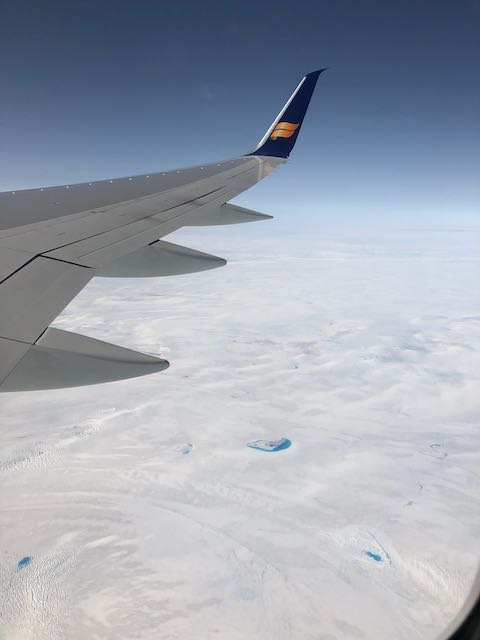
Pumping out carbon on my last transatlantic flight in 2019, we crossed over the Greenland ice sheet, where pools of sky-blue melt-water sit atop the ice, absorbing summer sunshine.
Or do I fly anyway, then punish myself and hold my head low in climate shame? I know what Greta Thunberg would say. I keenly feel the impact that my generation has had on this planet, even though we were all born into a civilization built on fossil fuel, without any practical way to renounce it.
I felt sick to my stomach when I first heard the SCOTUS decision that overturns Roe v. Wade. I cried. I raged. I cussed up a storm. And then, in the aftermath of that outburst, I felt the weight of the realization that my right to be fully autonomous over my body, over my life, is gone. This verdict means that, because I am a woman, decisions about my health can be made by a politician. That the opinion of a political party will weigh more than that of my doctor or me.
The weight feels like the shadow of someone’s shoe over my head. As a privileged, White woman, who has had all the advantages of education and opportunity, this is a new feeling for me. It is a new feeling precisely because of my cis-gender White privilege. I recognize that losing the right to make decisions about my own health and body gives me a glimpse of the injustices that others have always felt. The shadow of that weighty shoe hangs over so many.
Just so you know: Colorado has very good camping facilities. If you feel the need to go camping, you will be supported here. And we will never discuss camping.
But it’s not any easier knowing that others feel this. Anyone who is not a straight White man has had their basic human rights further undermined by this decision.
I am no stranger to grief. It comes knocking every now and then. Old grief and new grief. If you live long enough, you experience it knocking at your door everyone and then. It’s inevitable.
When grief comes to visit, it’s like walking at the bottom of the ocean. It makes me feel so removed from my everyday life, but at the same time, it’s familiar and comforting. I know that the depth of my grief, the murky, dark pathway we all walk before the sun shines again is one of the measures of love. It can take time to rise back up through those murky waters to the surface again. And down here, at the bottom of the ocean, it’s possible to feel all griefs, all loves, that have come before.
What do you do when all the noise from a world in strife threatens to overwhelm your own voice?
I have long had the habit on New Year’s Eve of writing out a list of all the things I want to do in this life – all the things that motivate me, that pull me forward, that drive me to live deeply. Some of the things on that list are lofty, such as write a book about climate change, and some are simple, such as learn to make risotto or ride my bike in a metric-century. Sometimes I go back to previous year’s lists just to see what things have carried over from one year to the next – just to see: what are the common threads that drive me forward from year to year? What are the big things I can’t let go of?
I haven’t yet written about the day last year when the sky turned black at midday. It was so dark that my garden lights came on in the dim, orange twilight. But it’s August and we’re in fire season again. I find myself thinking about that day again because I’m cooped up at home with the windows closed as another smoke plume moves over Northern Colorado. Last year, we inhaled smoke and ash from late last summer to several weeks into autumn. The fires kept our skies grey for the better part of two months. But I distinctly remember that day just before Labor Day in early September when I braved the smoky air and temperatures over 90F to harvest my garden in preparation for an unseasonably early snow storm.
September 2020 in Greeley, CO – The day that turned black.Continue reading →